SMT vs THT PCB Jumpers: How to Choose the Right PCB Connection Solution
SMT vs THT(Through hole jumpers )PCB Jumpers: How to Choose the Right PCB Connection Solution
When designing PCB power and control circuits, engineers often need to choose between SMT and THT PCB jumpers. The right choice depends on several factors, including current requirements, PCB space limitations, assembly process, mechanical strength, production volume, and application environment.
Although both SMT and THT jumpers perform the same basic function — creating an electrical connection between two points — their structures and manufacturing advantages are different.
The following SMT vs THT PCB jumpers comparison highlights the key differences in assembly method, current capability, mechanical reliability, and application suitability. Understanding the differences between SMT vs THT PCB jumpers helps engineers select the most reliable solution for industrial electronics, power modules, and high-volume PCB manufacturing.
What Is a PCB Jumper?
A PCB jumper is a conductive component used to connect two points on a printed circuit board when a direct copper trace is not practical.
Jumpers are commonly used for:
- Circuit configuration
- PCB layout optimization
- Signal routing
- Design flexibility
- Production adjustment
- Testing and debugging
Depending on the assembly method, PCB jumpers are mainly divided into:
- SMT (Surface Mount Technology) jumpers
- THT (Through-Hole Technology) jumpers
What Is an SMT PCB Jumper?
An SMT PCB jumper is a surface-mounted component installed directly onto PCB pads without requiring drilled holes.
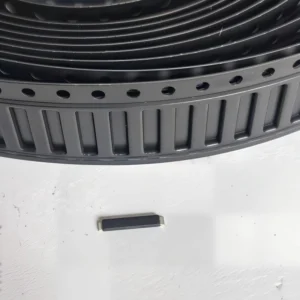
The most common SMT jumper is a zero-ohm resistor, which provides a compact connection path while allowing automated PCB assembly.
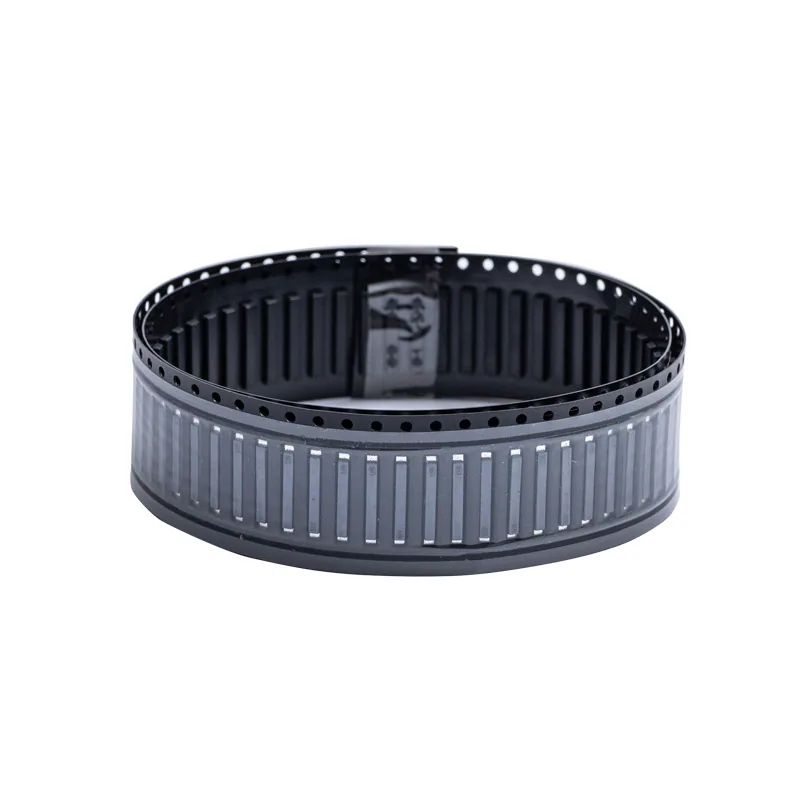
Unlike traditional wire jumpers, SMT jumpers can be placed by pick-and-place machines together with other surface mount components, improving production efficiency and consistency.
Advantages of SMT PCB Jumpers
Compact PCB Design
SMT jumpers occupy minimal board space, making them suitable for compact electronic designs where PCB area is limited.
Automated Assembly Compatibility
Because SMT jumpers are installed using standard surface mount processes, they are ideal for high-volume manufacturing.
Flexible Circuit Configuration
Engineers can use SMT jumpers to configure different product versions without redesigning the PCB layout.
Reliable Electrical Connection
Manufactured components provide consistent resistance and stable electrical performance compared with manually soldered wires.
What Is a Through Hole Jumper (THT PCB Jumper)?
A through hole jumper, also known as a THT PCB jumper, is a PCB connection component with leads inserted through drilled holes on a printed circuit board and soldered on the opposite side.
Through hole jumpers are commonly selected when mechanical strength, current carrying capability, and long-term reliability are more important than PCB size and high-density assembly.
Compared with SMT jumpers, through hole jumpers provide stronger mechanical bonding and are widely used in industrial electronics, power circuits, and applications requiring reliable electrical connections.
Advantages of THT(Through hole jumpers )PCB Jumpers
Strong Mechanical Reliability
The through-hole structure provides stronger physical support, making THT jumpers suitable for applications exposed to vibration or mechanical stress.
Suitable for Prototypes and Repairs
THT jumpers are easier to install manually, making them useful for prototype development, testing, and PCB modification.
High Current Capability
Larger THT jumper structures can support higher current paths in certain industrial applications.
| Factor | SMT PCB Jumper | THT (Through hole jumpers )PCB Jumper |
|---|---|---|
| Assembly Method | Automatic SMT placement | Through-hole soldering |
| PCB Space | Very compact | Requires more board space |
| Production Volume | Ideal for mass production | Suitable for low-volume or manual assembly |
| Mechanical Strength | Good | Excellent |
| Installation | Automated | Manual or wave soldering |
| Current Capability | Suitable for compact power paths | Better for larger mechanical connections |
| Repairability | More difficult | Easier for rework |
| Typical Applications | Industrial electronics, control boards, compact modules | Prototypes, heavy-duty boards, high-stress environments |
How to Identify SMT and THT Jumpers
Engineers can quickly identify jumper types by their physical structure.
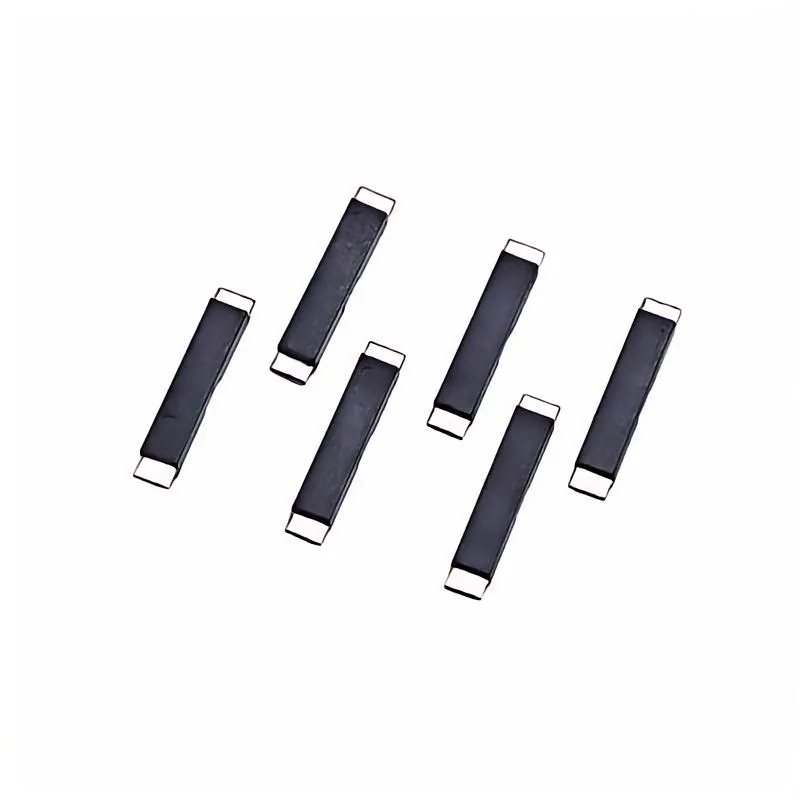
SMT Jumper Identification
Typical characteristics:
- Small rectangular component shape
- Mounted directly on PCB surface pads
- No drilled holes required
- Similar appearance to a resistor
- Often marked as 0Ω on PCB silkscreen
THT(Through hole jumpers )Jumper Identification
Typical characteristics:
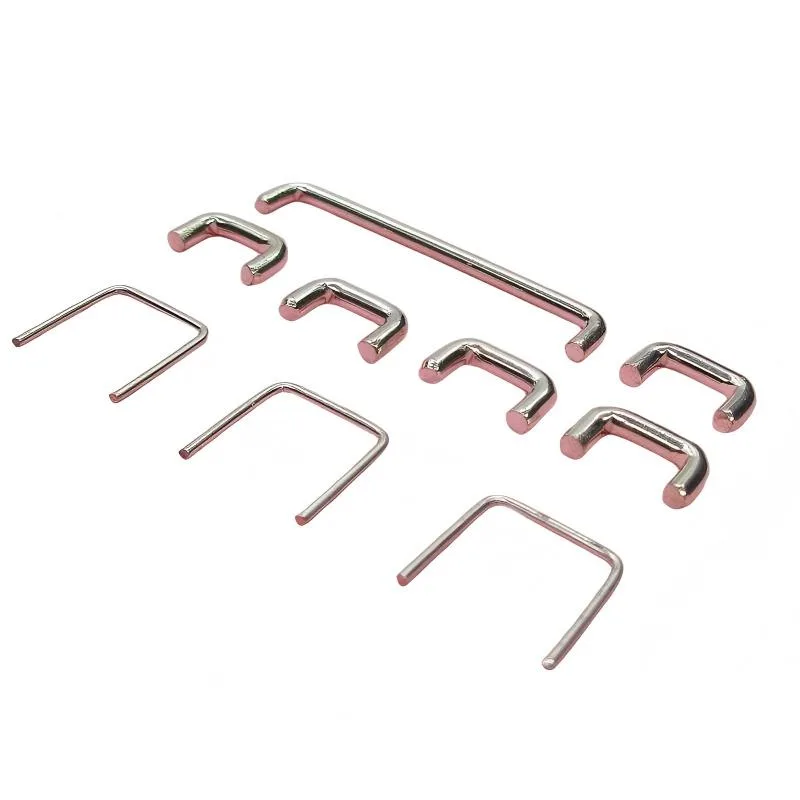
- Wire or pin-like structure
- Installed through PCB holes
- Solder joints visible on the opposite side
- Larger physical size compared with SMT components
A simple rule:
If the component sits directly on PCB pads → SMT.
If the component passes through drilled holes → THT.
When Should You Choose an SMT PCB Jumper?
SMT jumpers are usually the preferred choice when:
- PCB space is limited
- Automated assembly is required
- Production volume is high
- Circuit configuration flexibility is important
- Compact electronic design is required
Typical applications include:
- Industrial control boards
- Power management circuits
- Motor control electronics
- Battery monitoring systems
- Embedded electronic modules
When Should You Choose a THT PCB Jumper?
THT jumpers are commonly selected when:
- Mechanical strength is critical
- Manual modification is required
- Prototype development is ongoing
- Higher physical durability is needed
Typical applications include:
- Industrial equipment
- Test fixtures
- Heavy-duty control boards
- Repair and retrofit applications
SMT vs THT PCB Jumpers: Choosing Between Zero Ohm Resistors and Metal Jumpers
In many PCB designs, SMT jumpers are implemented using zero-ohm resistors.
A zero-ohm resistor provides an electrical bridge while keeping the same package style as other SMT components.
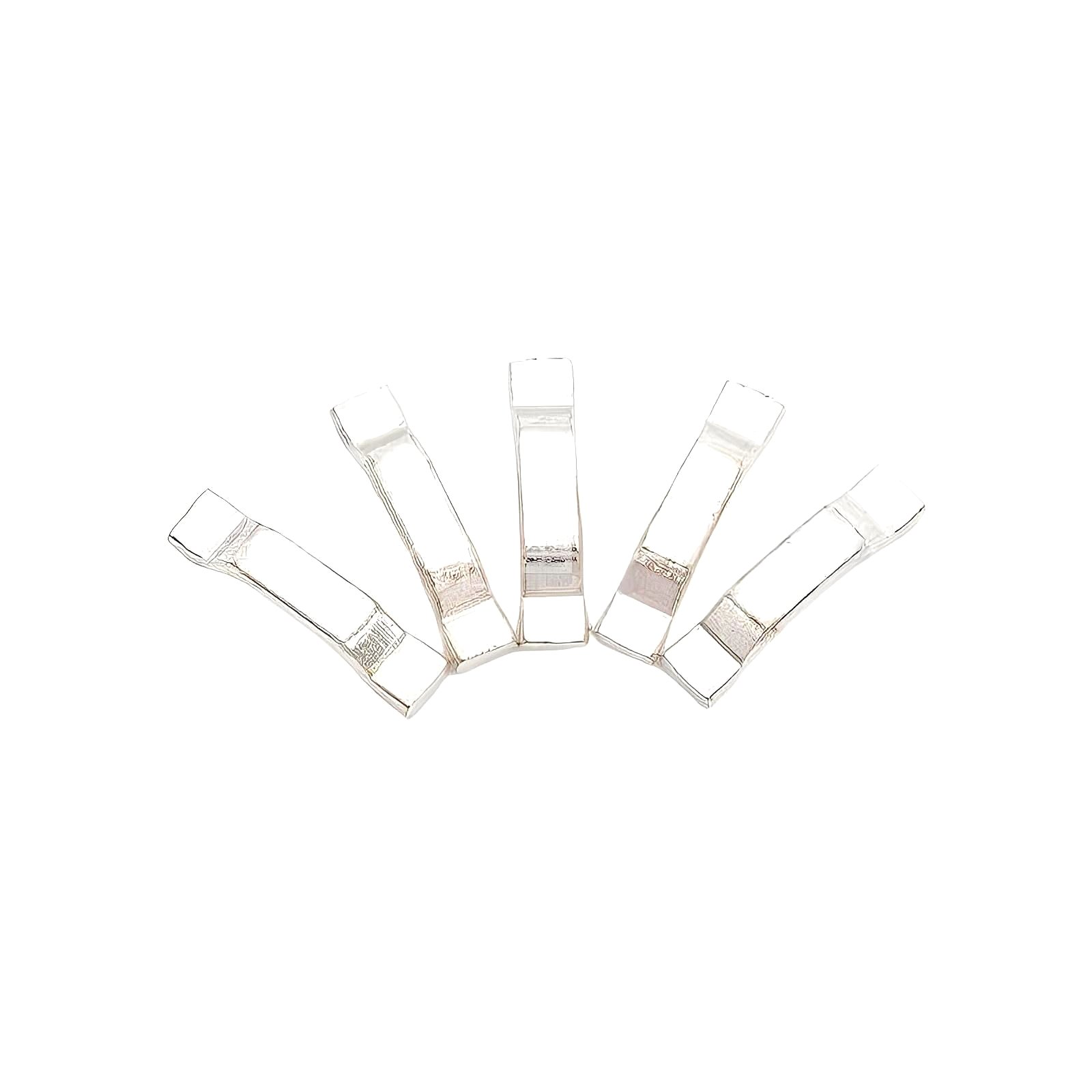
However, for higher current applications, dedicated metal jumper solutions may provide better performance due to:
- Lower electrical resistance
- Higher current capability
- Improved thermal performance
- Lower parasitic inductance
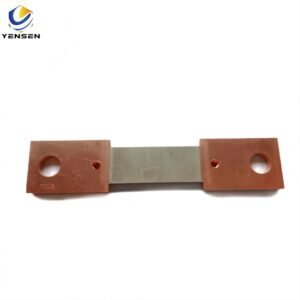
For high-current PCB power connections, metal jumper bars can be a more suitable solution than conventional chip zero-ohm resistors.
Choosing the Right PCB Jumper for Your Application
When selecting SMT vs THT PCB jumpers, engineers should evaluate the following factors:
Before selecting an SMT or THT jumper, engineers should consider:
Current Requirement
Check continuous current, peak current, and thermal conditions.
PCB Space
Choose SMT jumpers when board size and component density are important.
Assembly Process
SMT is preferred for automated manufacturing, while THT may be better for manual assembly or mechanical applications.
Mechanical Environment
For vibration or mechanical stress, THT jumpers may provide additional strength.
Electrical Performance
For high-frequency switching or power electronics, low-inductance metal jumper designs can improve current path performance.
Related High Current PCB Jumper Solutions
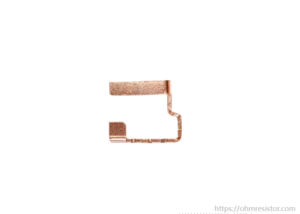
For industrial power electronics requiring higher current capability and low-inductance connections, Yuansheng provides customized metal jumper solutions including:
- High current SMD copper jumpers
- PCB metal jumper bars
- Low-inductance power connection solutions
These solutions are designed for applications such as industrial drives, battery systems, power modules, and energy management equipment.
FAQ
What is the difference between SMT and THT PCB jumpers?
SMT jumpers are mounted directly on PCB surfaces and are suitable for automated production, while THT jumpers use drilled holes and provide stronger mechanical support.
Are SMT jumpers suitable for high current applications?
Yes, SMT jumpers can support high current applications when designed with suitable materials, dimensions, and thermal management considerations.
Is a zero-ohm resistor the same as a PCB jumper?
A zero-ohm resistor is a common type of SMT jumper used for PCB connection and circuit configuration. However, metal jumper solutions may be preferred for higher current requirements.
Which PCB jumper is better for industrial applications?
The best choice depends on current, space, assembly method, and mechanical requirements. SMT jumpers are often preferred for compact industrial electronics, while THT jumpers are used where mechanical strength is more important.
PCB Jumper Solutions for SMT and THT Applications
For engineers looking for reliable SMT jumper and through hole jumper solutions, OHM Resistor provides customized metal jumper components for high-current PCB applications.
Our jumper solutions include SMD zero ohm jumpers, metal shunt jumper bars, and custom PCB jumper links, offering low resistance, excellent solderability, and reliable electrical connections for power electronics, battery systems, motor control, and industrial equipment.
Contact us for customized dimensions, current ratings, and technical support for your PCB jumper requirements.
Conclusion
SMT and THT PCB jumpers both provide reliable circuit connection solutions, but they serve different design requirements.
SMT jumpers are widely used in modern electronics because of their compact size, automated assembly capability, and production efficiency. THT jumpers remain valuable for applications requiring stronger mechanical support and easier modification.
By considering current capability, PCB design requirements, manufacturing process, and operating environment, engineers can select the right PCB jumper solution for reliable long-term performance.