Description
SMD Metal Bridge Jumper for High-Current PCB Connections
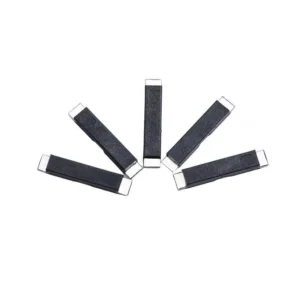
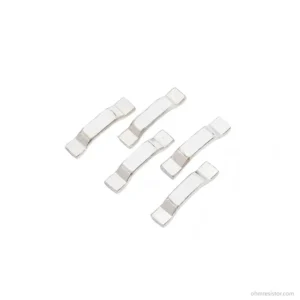
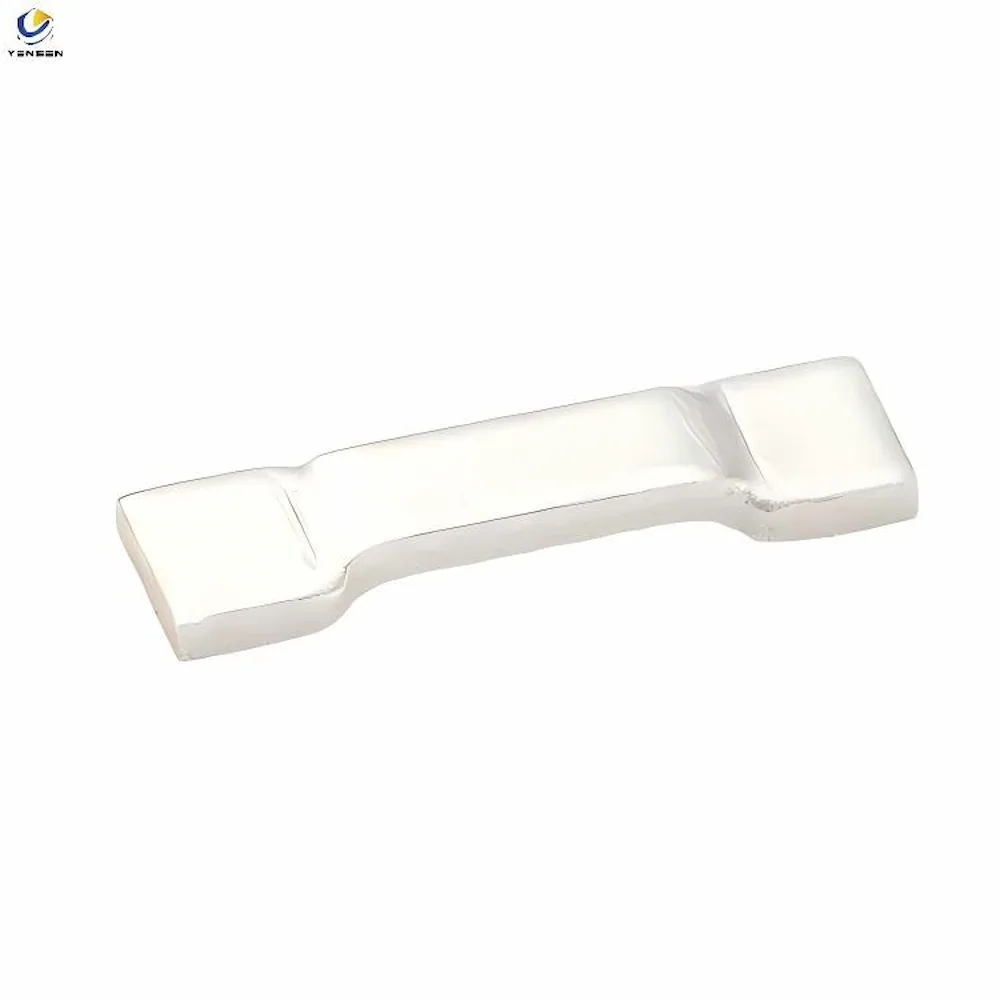
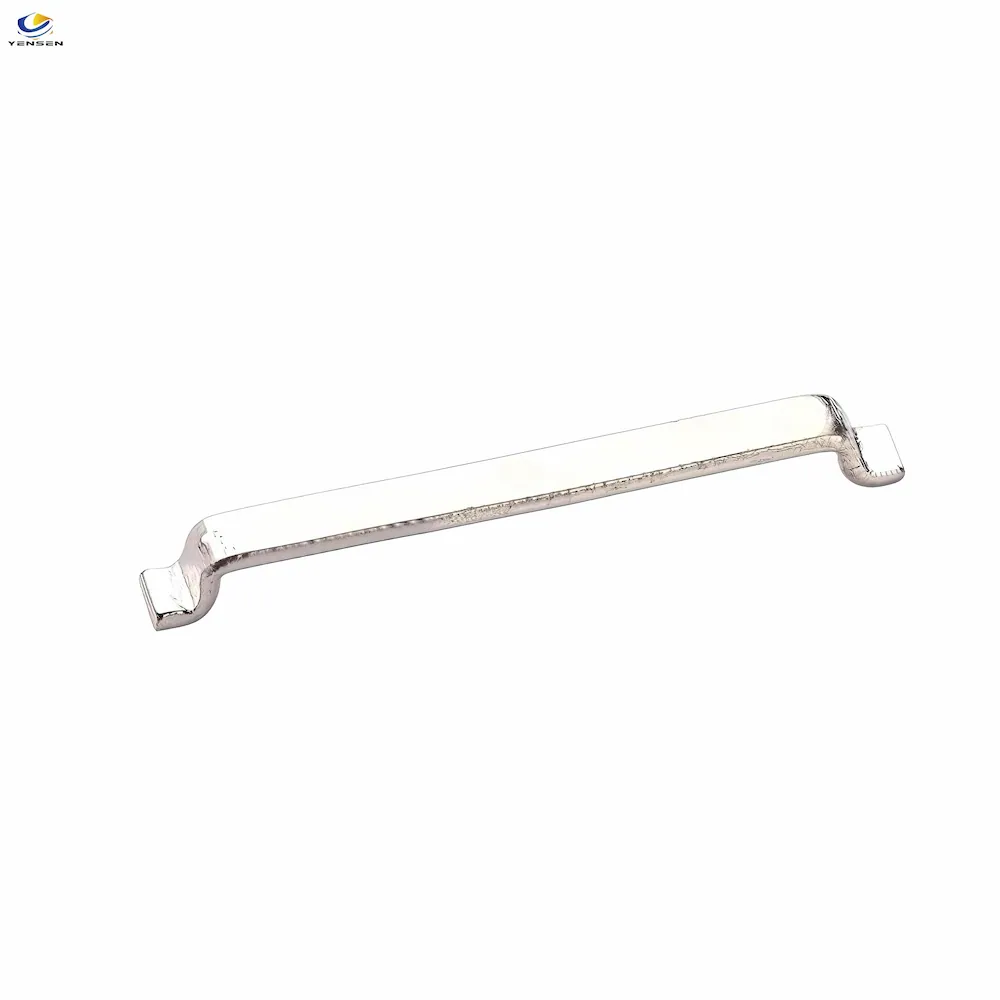
SMD Metal Bridge Jumper is a compact SMT component designed to provide reliable electrical bridging and high-current connections on printed circuit boards. Unlike conventional wire jumpers, the metal bridge structure provides a short, low-resistance current path while supporting automated surface-mount assembly.
These SMT metal bridge jumpers are suitable for PCB designs where a conductive link is required between two pads or circuit points without using a conventional resistor or wire connection. Their compact construction helps save PCB space while maintaining reliable mechanical and electrical performance during reflow soldering.
Depending on the design requirements, SMD metal bridge jumpers can be customized for different current ratings, dimensions, pad spacing, height, and metal materials. They are particularly useful in power electronics, industrial automation, power supplies, battery systems, motor control, and other high-current PCB applications.
Key Features
- High-current capability for demanding PCB connections
- Low electrical resistance for efficient current conduction
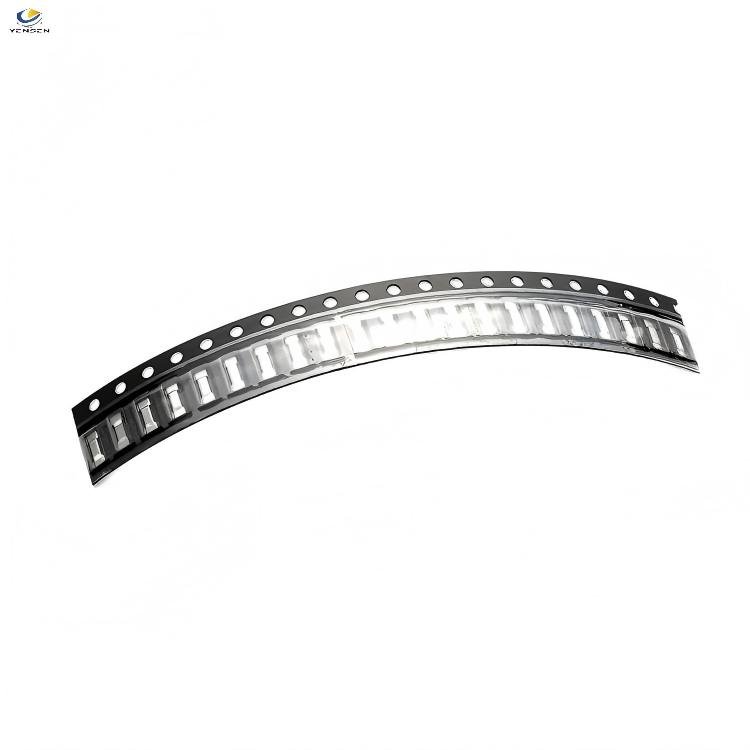
- SMT-compatible design for automated PCB assembly
- Compact metal construction for space-saving PCB layouts
- Reliable soldering performance during reflow assembly
- Custom dimensions and configurations available
- Suitable for power electronics and industrial PCB applications
Application
SMD Metal Bridge Jumper Applications
The SMD Metal Bridge Jumper can be used in a wide range of PCB and industrial electronics applications, including:
- Single-sided PCB circuit bridging
- High-current PCB connections
- Power supply boards
- Industrial control boards
- Motor control systems
- Power electronics
- Battery and BMS circuits
- Industrial automation equipment
- PCB power distribution
- Electronic control modules
- Automated SMT assembly
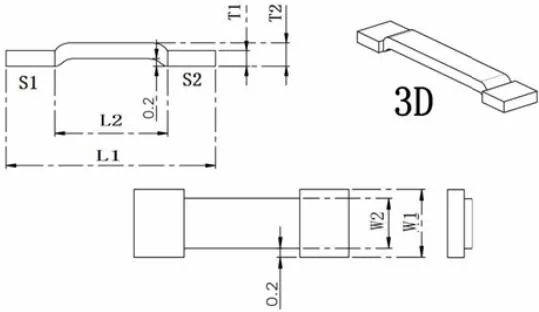
Size :unit mmm
| Type | L1 (Length) |
L2 (Length) |
WI (width) |
W2 (width) |
thickness | Length of upper solder end | ||
| T1 | T2 | SI | S2 | |||||
| T5.2 | 5.2±0.2 | 2.8±0.2 | 1.5±0.1 | 1.3±0.1 | 0.4±0.1 | 0.6±0.1 | 1.2±0.4 | 1.2±0.4 |
| T82 | 8.2±02 | 58±0.2 | 1.5±0.1 | 1.3±0.1 | 0.4±0.1 | 0.6±0.1 | 12±0.4 | 1.2±0.4 |
| T10.2 | 10.2±0.2 | 7.8±0.2 | 1.5±0.1 | 1.3±0.1 | 0.4±0.1 | 0.6±0.1 | 1.2±0.4 | 12±0.4 |
| T13.2 | 13.2±0.2 | 10.8±02 | 1.5±0.1 | 1.3±0.1 | 0.4±0.1 | 0.6±0.1 | 12±0.4 | 1.2±0.4 |
What Problems Does an SMD Metal Bridge Jumper Solve?
In single-sided or space-constrained PCB designs, engineers may need to cross multiple circuit traces while maintaining a reliable electrical connection. Traditional wire jumpers can require manual insertion or soldering, which increases assembly complexity and may reduce production consistency.
The SMD Metal Bridge Jumper provides a surface-mount alternative for these applications.
It helps solve several common PCB assembly challenges:
- Crossing multiple PCB traces without redesigning the entire circuit layout
- Replacing manually installed wire jumpers
- Supporting automated SMT placement and reflow soldering
- Reducing manual assembly operations
- Improving production consistency
- Providing a compact conductive path on the PCB
- Supporting high-current PCB connection requirements
- Simplifying PCB manufacturing and assembly processes
SMD Metal Bridge Jumper vs. Wire Jumper
| Feature | SMD Metal Bridge Jumper | Traditional Wire Jumper |
|---|---|---|
| Assembly | SMT automated assembly | Often manual |
| Pick-and-place | Yes | Generally not suitable |
| Reflow soldering | Yes | Depends on design |
| Manual operation | Reduced | Usually required |
| Production consistency | High | More process-dependent |
| PCB integration | Compact | May require additional space |
| High-volume production | Suitable | Less efficient for manual installation |
| Circuit bridging | Yes | Yes |
FAQ
What is an SMD Metal Bridge Jumper?
An SMD Metal Bridge Jumper is a surface-mount conductive component used to bridge PCB traces and provide a reliable electrical connection.
What is an SMD Metal Bridge Jumper used for?
It is mainly used for single-sided PCB designs where circuit traces need to be crossed without using a traditional wire jumper.
Can it be used for automated SMT assembly?
Yes. It is designed for pick-and-place placement and reflow soldering, supporting automated PCB production.
Can the SMD Metal Bridge Jumper be customized?
Yes. Dimensions, pitch, height, material, and current requirements can be customized according to your PCB design.
Is it suitable for high-current applications?
Yes. Its metal structure provides a low-resistance conductive path for high-current PCB connection applications.
Need a Custom SMD Metal Bridge Jumper?
Send us your PCB drawing, pad spacing, required bridge height, current requirement, and annual quantity.
We can evaluate the required jumper dimensions and provide a suitable solution for your SMT assembly process.