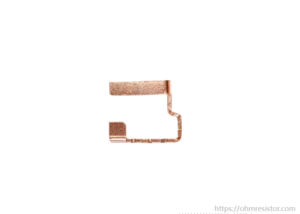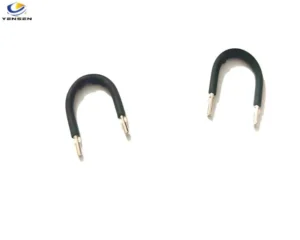
High Current SMT Copper Jumper (0Ω Jumper) for Power PCB Applications
A Low-Resistance Solution for Reliable High-Current PCB Connections
In modern PCB design, a high current SMT copper jumper provides a low-resistance solution for applications where reliable current connection is required. As electronic devices become smaller and power requirements increase, engineers need jumper components that can handle higher current, reduce power loss, and support automated SMT assembly.In PCB design, a 0Ω jumper is often used as a simple and flexible connection method. It helps engineers configure circuits, simplify PCB routing, and maintain design flexibility.
However, as electronic devices become more compact and power requirements increase, traditional 0Ω chip resistors may not always be suitable for every application.
For power-related PCB designs, engineers often need to consider:
- How much current can the jumper handle?
- What is the resistance of the current path?
- Will heat generation become a reliability concern?
- Can the component support automated SMT production?
For these applications, a high current SMT copper jumper provides a practical solution by combining the low resistance characteristics of copper with the manufacturing advantages of surface-mount technology.
Why Standard 0Ω Resistors May Not Be Enough for High Current Applications
Standard 0Ω resistors are widely used in electronic circuits. They are cost-effective and convenient for general PCB designs.
However, when the jumper location becomes part of a power current path, engineers may face several limitations.
Current Capability and Thermal Performance
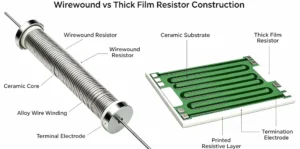
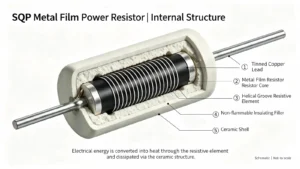
A conventional chip resistor is designed around a resistive element structure. Under higher current conditions, power loss and temperature rise need to be carefully evaluated.
In applications such as:
- battery-powered equipment
- industrial controllers
- power management boards
even a small resistance increase can contribute to additional heat generation.
Space and Manufacturing Considerations
Traditional wire jumpers can provide excellent conductivity, but they often require manual soldering or additional assembly processes.
For modern PCB manufacturing, many companies prefer components that can be:
- placed automatically
- soldered through standard reflow processes
- integrated into high-volume production
This is where SMT copper jumpers provide an advantage.
What Is a High Current SMT Copper Jumper?
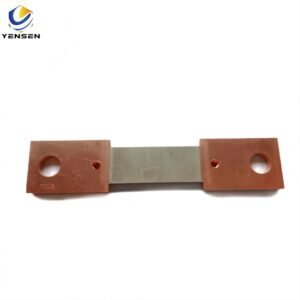
A high current SMT copper jumper is a 0Ω jumper component designed specifically for PCB applications where a low-resistance current path is required.
Instead of using a traditional resistor structure, the component uses a copper conductive element to achieve:
- very low electrical resistance
- higher current capability
- efficient heat dissipation
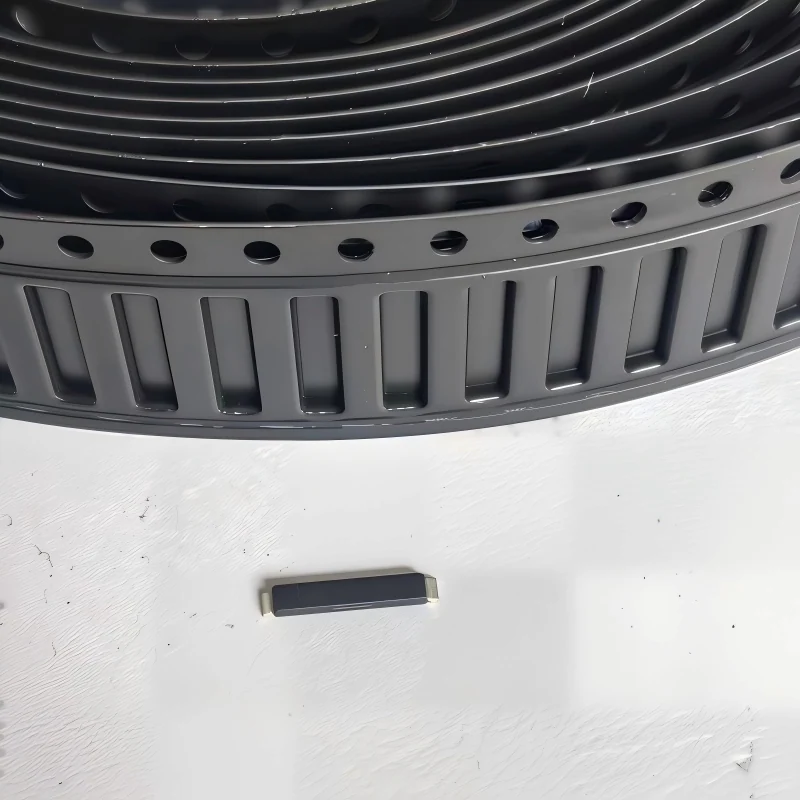
The SMD structure allows the component to be assembled using standard pick-and-place and reflow soldering processes.
Key Design Advantages
Low Resistance jumper Current Path
Copper has excellent electrical conductivity, making it suitable for applications where minimizing resistance is important.
A lower resistance path helps reduce:
- voltage drop
- energy loss
- unnecessary heat generation
This is especially important in compact electronic systems where thermal management can be challenging.
High Current Capability in Compact Designs
PCB space is often limited, especially in industrial and portable electronic products.
A SMT copper jumper allows designers to create a reliable high-current connection without adding:
- extra connectors
- manual wire links
- complex PCB routing solutions
Designed for SMT Manufacturing
Modern electronics manufacturing relies heavily on automated assembly.
With an SMT structure, copper jumpers can be:
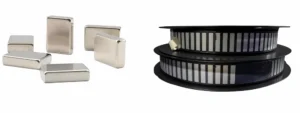
- supplied in tape and reel packaging
- assembled using pick-and-place equipment
- processed through standard reflow soldering
This helps improve production consistency.
Engineering Evaluation Example
A European industrial electronics company was developing a PCB application that required a compact and reliable 0Ω jumper solution.
The engineering team needed a component that could:
- fit the existing PCB layout
- provide a stable current connection
- support SMT assembly
- maintain reliable performance during testing
Prototype samples of the SMT copper jumper were provided for evaluation.
After testing, the engineering team confirmed that the samples performed as expected with no issues found during evaluation.
The customer planned to proceed with a reorder after completing a PCB revision for the next design stage.
This type of engineering validation demonstrates the importance of selecting the right jumper solution during PCB development.
Typical Applications
High current SMT copper jumpers can be used in a variety of electronic applications, including:
Battery and Energy Systems
- Battery management systems (BMS)
- Energy storage equipment
- Backup power systems
Industrial Electronics
- Industrial controllers
- Motor control boards
- Automation equipment
IoT and Embedded Devices
- Industrial IoT gateways
- Communication devices
- Remote monitoring equipment
Power Electronics
- Power supply boards
- DC power management circuits
- High-current PCB assemblies
How to Select the Right PCB Jumper Solution
When selecting a jumper component for a PCB design, engineers should consider:
Current Requirement
Does the component support the expected continuous and peak current?
Resistance
Will the resistance of the connection affect voltage drop or thermal performance?
Assembly Method
Is the component compatible with the existing SMT production process?
Long-Term Reliability
Can the solution maintain stable performance throughout the product lifetime?
Choosing the correct jumper at the design stage can help avoid future problems related to heat, efficiency, and manufacturing.
Conclusion
A 0Ω jumper is a simple component, but its performance can become critical when it is used in a high-current path.
For power electronics, battery systems, industrial controllers, and IoT hardware, a high current SMT copper jumper provides engineers with a reliable option when low resistance, compact size, and automated assembly are required.
By selecting the right jumper solution early in the PCB design process, engineers can improve both electrical performance and manufacturing reliability.
For high-current PCB applications, our SMT copper jumper provides a low-resistance connection solution for power electronics designs.