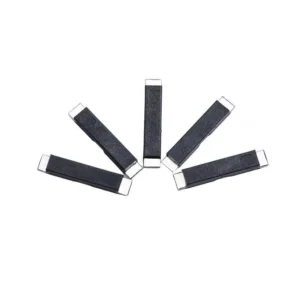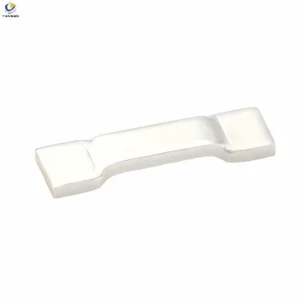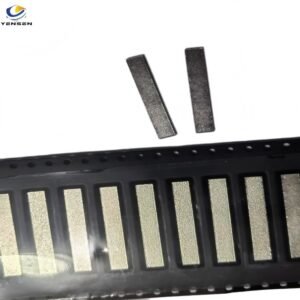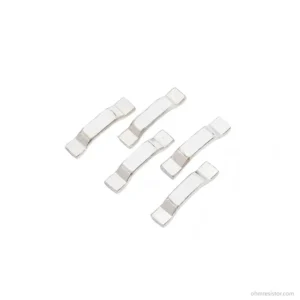
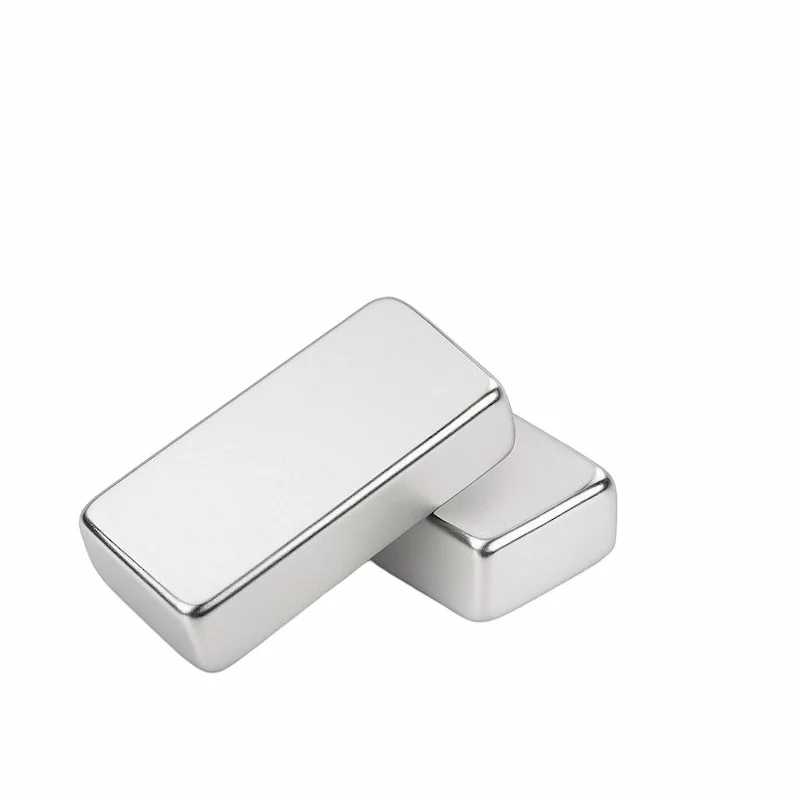
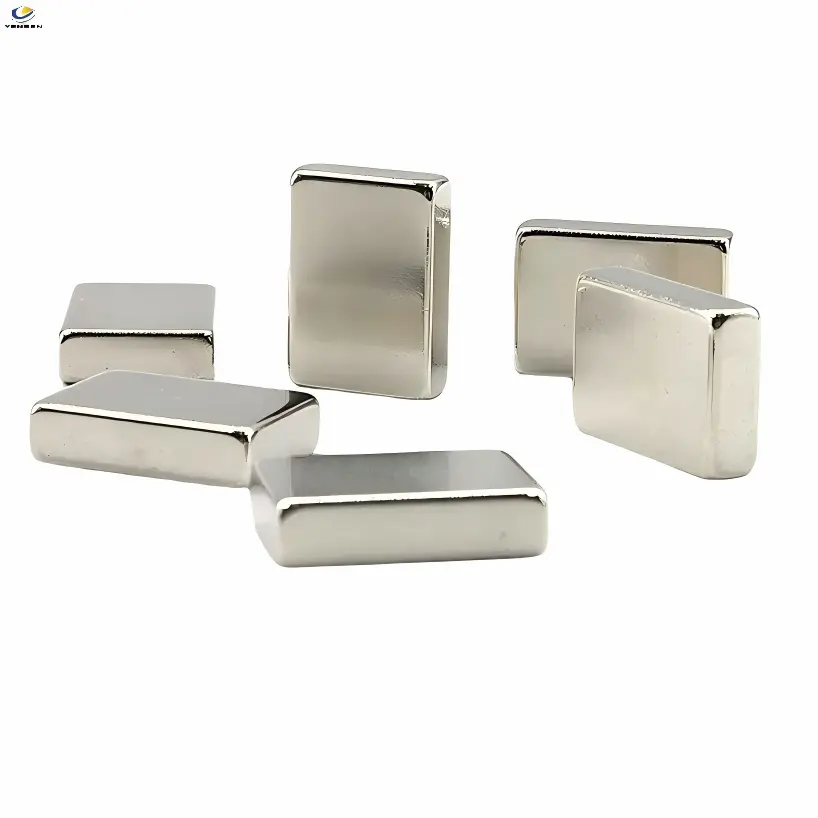
SMD Copper Busbar for High-Current PCB Applications
Features
① Tin-Plated Copper Surface
Provides excellent solderability and reliable PCB assembly performance.
② High Current & Overload Capability
Designed for stable operation under high-current and short-term overload conditions.
③ Low-Inductance Structure
Optimized metal design helps reduce parasitic inductance in high-current applications.
④ Wide Operating Temperature Range
Maintains reliable electrical performance under various operating environments.
⑤ RoHS & Halogen-Free Compliance
Meets environmental requirements for modern electronic assemblies.
Description
The SMD Copper Busbar is a high-current PCB component designed to provide a low-resistance power connection for power electronics applications. Made from high-conductivity copper materials with customizable surface treatments, it enables reliable current distribution in compact SMT assemblies.
With flexible material options and custom designs, it is suitable for PCB power distribution, battery systems, inverter boards, motor control equipment, and other high-current applications. For compact PCB connection solutions, our SMD Metal Jumper Bar provides an alternative option for high-current bypass and circuit connection designs.
Specification
| Parameter | Specification |
|---|---|
| Material Options | T2 Copper, H62 Brass, Cu-Al Composite, Manganese Steel, Aluminum |
| Material Thickness | 0.3mm – 3.0mm (Customized Thickness Available) |
| Current Carrying Capability | Customized according to conductor size, PCB design, and thermal requirements |
| Surface Finish | Tin Plating, Nickel Plating, Silver Plating, Gold Plating |
| PCB Mounting | SMT / Surface Mount Assembly Compatible |
| Electrical Performance | Low Resistance Current Path for High-Current Applications |
| Thermal Performance | Designed according to Current Load, Heat Dissipation, and Operating Conditions |
| Contact Resistance | Optimized Low Contact Resistance Design |
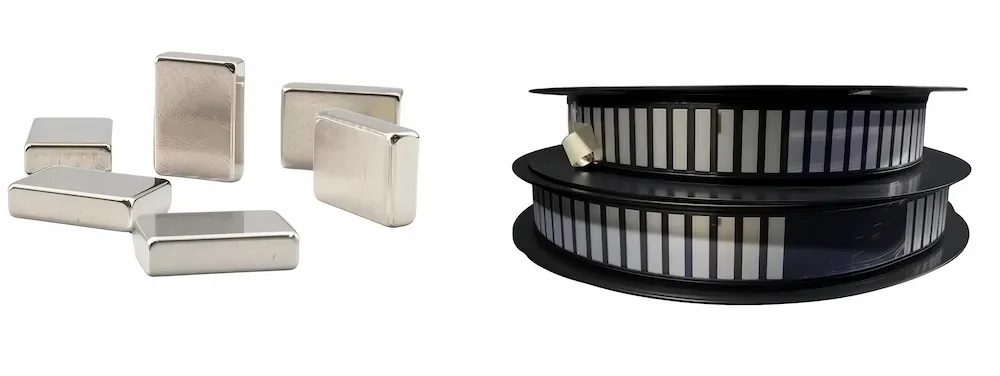
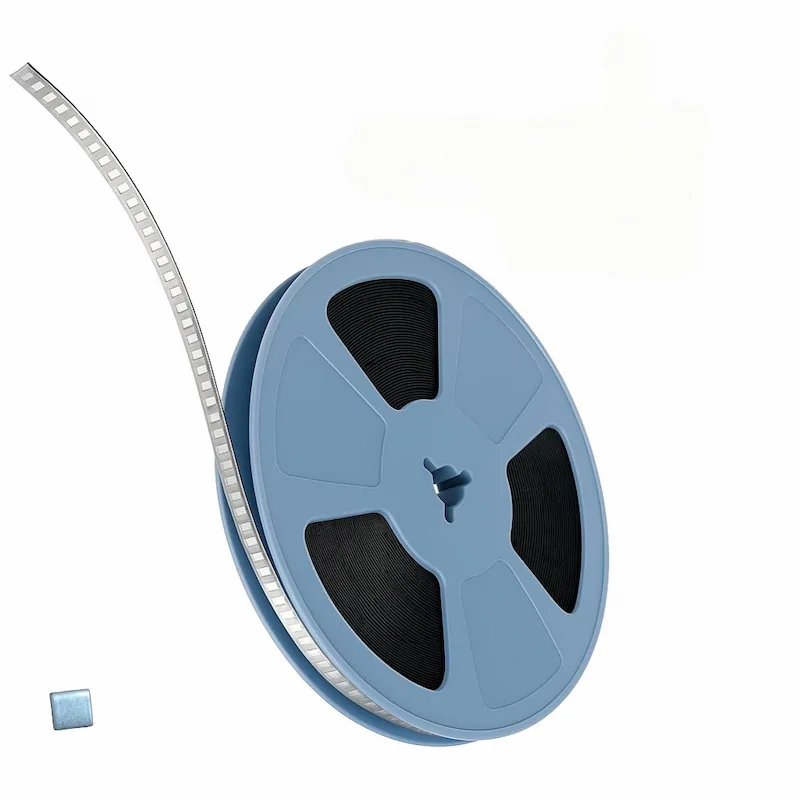
| Packaging Options | Bulk Packaging or Tape & Reel for Automated Assembly |
| Compliance | RoHS Compliant; Additional Documents Available Upon Request |
SMD Busbar Selection Guide
When selecting an SMD busbar, consider the required dimensions, conductor material, surface plating, PCB assembly method, and operating current.
Different materials such as copper and brass provide different electrical and mechanical characteristics. The final current capability should be evaluated based on PCB layout, solder joint design, cooling conditions, and allowable temperature rise.
Dimension
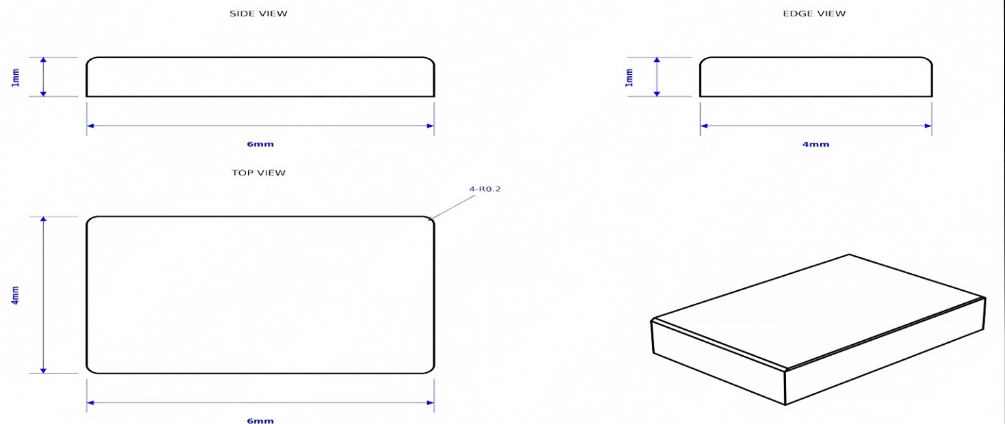 Note: More dimensions and customized options are available. Please contact us for the detailed catalog.
Applications of SMD Copper Busbar
| Application | Typical Uses |
|---|---|
| Electric Vehicles | Battery pack connections, BMS terminals, charging systems |
| Energy Storage Systems | Battery module connections, power distribution, monitoring systems |
| Solar Inverters | DC bus connections, AC terminals, IGBT power connections |
| Industrial Control Equipment | VFD systems, PLC cabinets, servo drives |
| EV Charging Stations | High-power modules, charging power distribution |
| Power Electronics Modules | SMPS, DC/DC converters, UPS systems |
FAQ – SMD Copper Busbar
What is an SMD Copper Busbar?
An SMD Copper Busbar is a surface-mount PCB component designed to provide a low-resistance, high-current electrical connection for power distribution and power electronic applications.
What materials are available for SMD Copper Busbar?
SMD Copper Busbars are commonly manufactured using high-conductivity copper materials such as T2 copper, with customized options for thickness, surface plating, and mechanical design according to application requirements.
How do I select the right SMD Copper Busbar?
Selection depends on factors including required current, dimensions, PCB layout, material, surface finish, soldering method, and allowable temperature rise. Customized solutions can be developed based on specific application requirements.