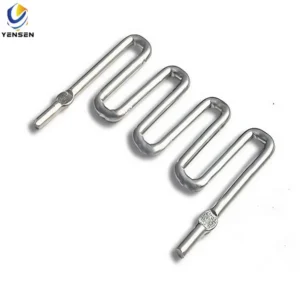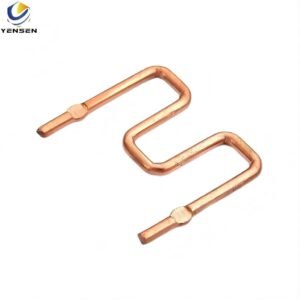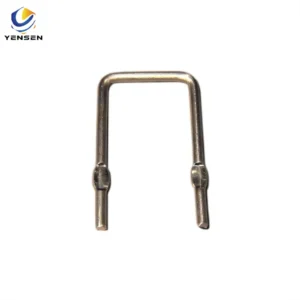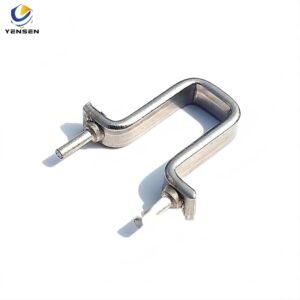
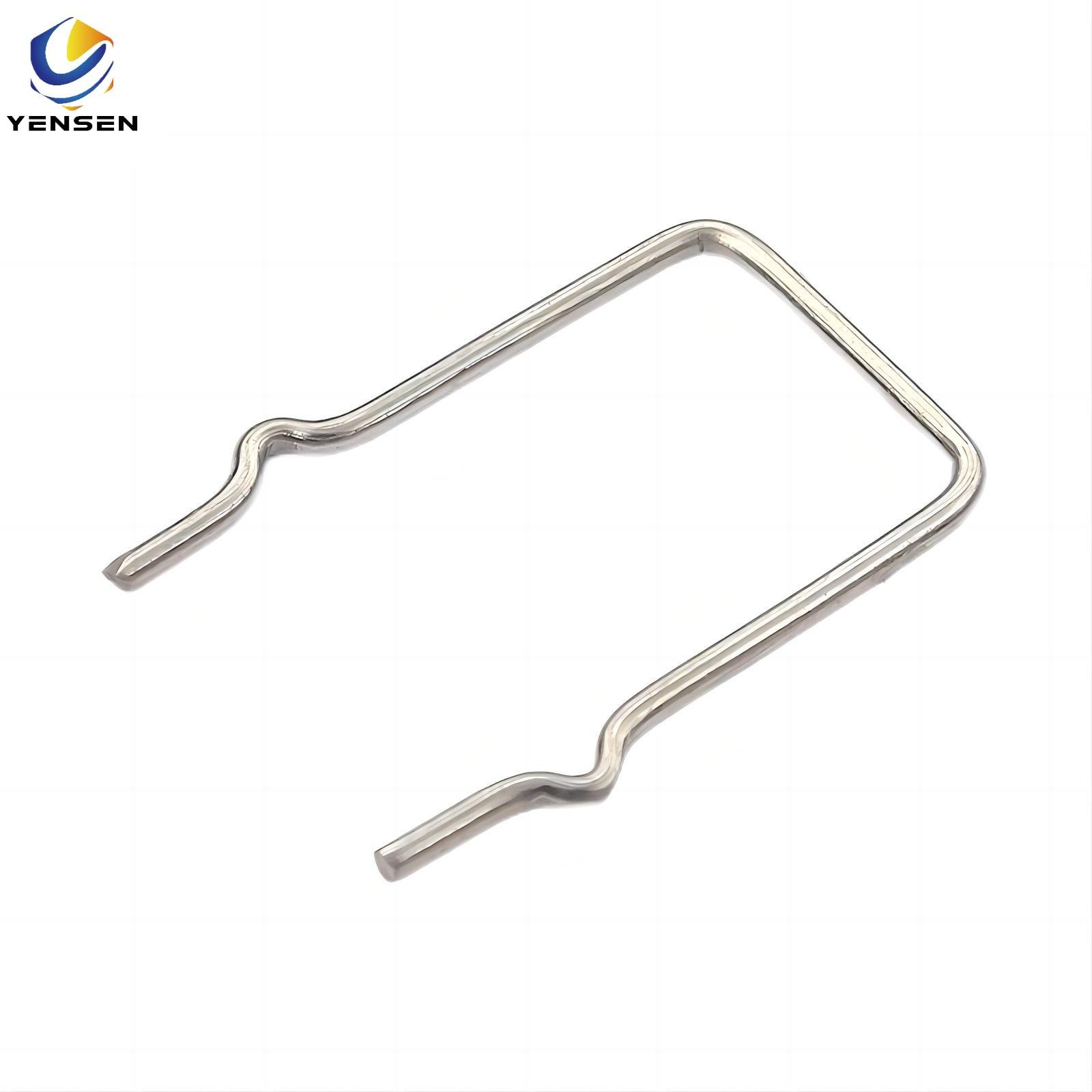
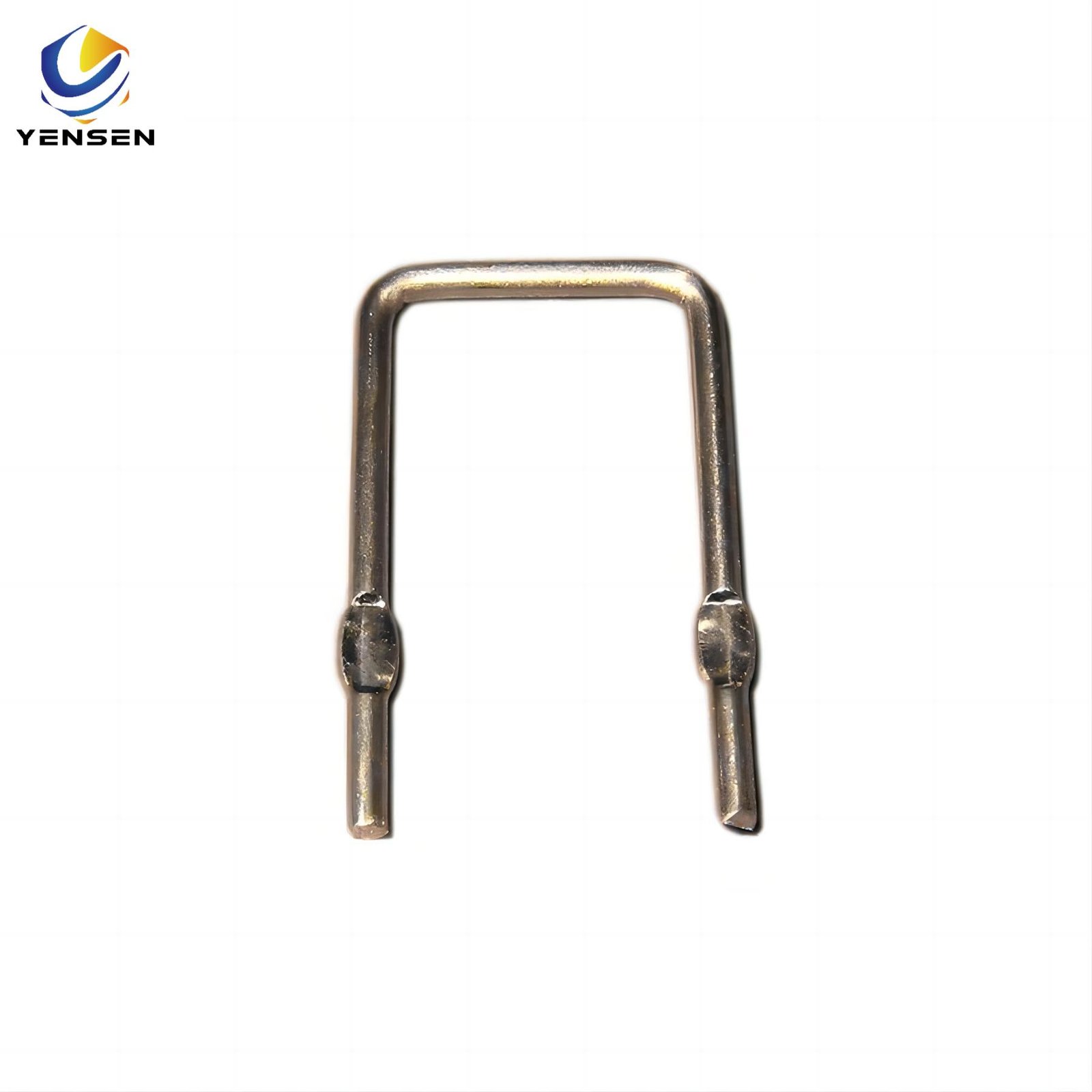
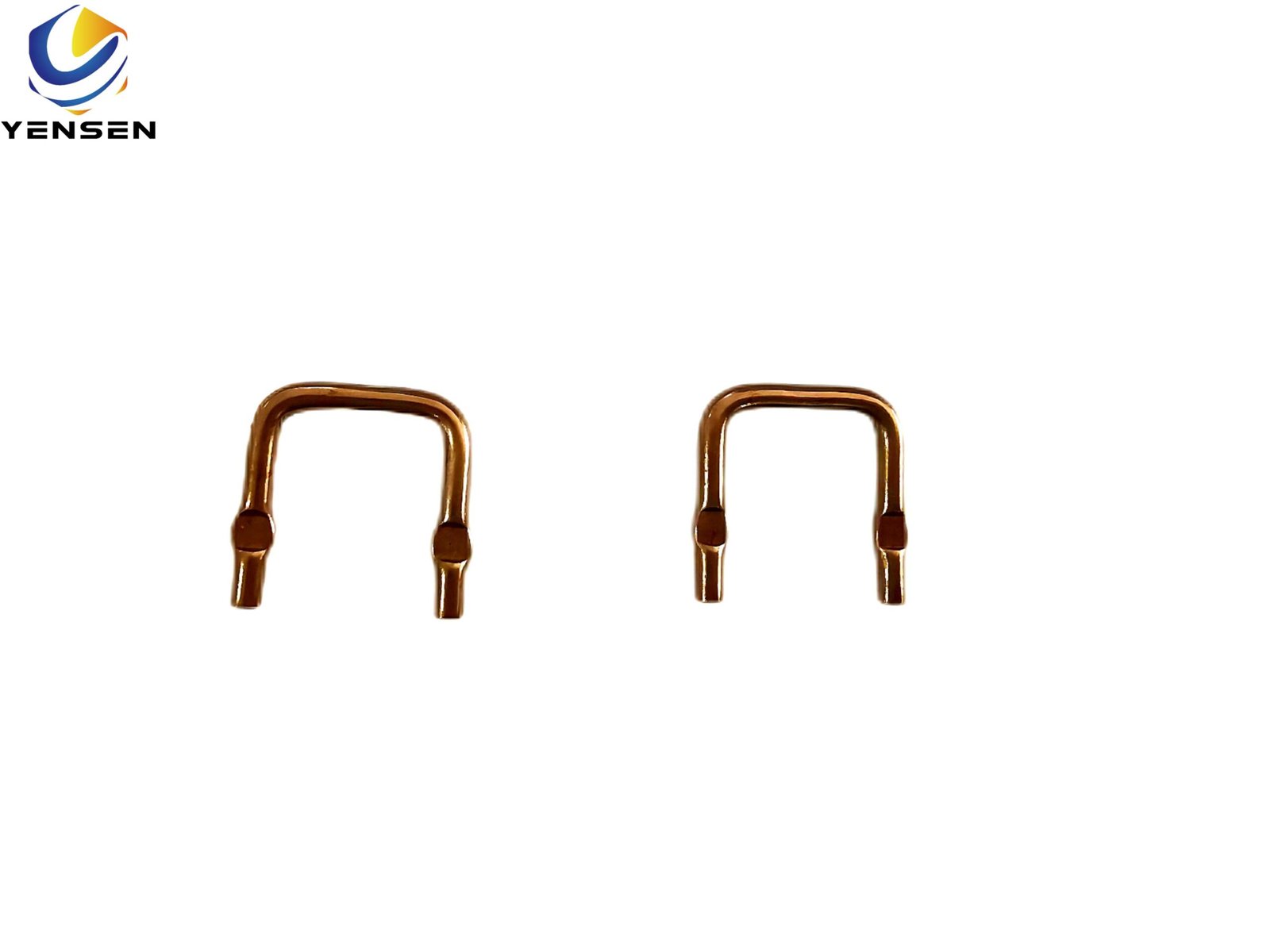
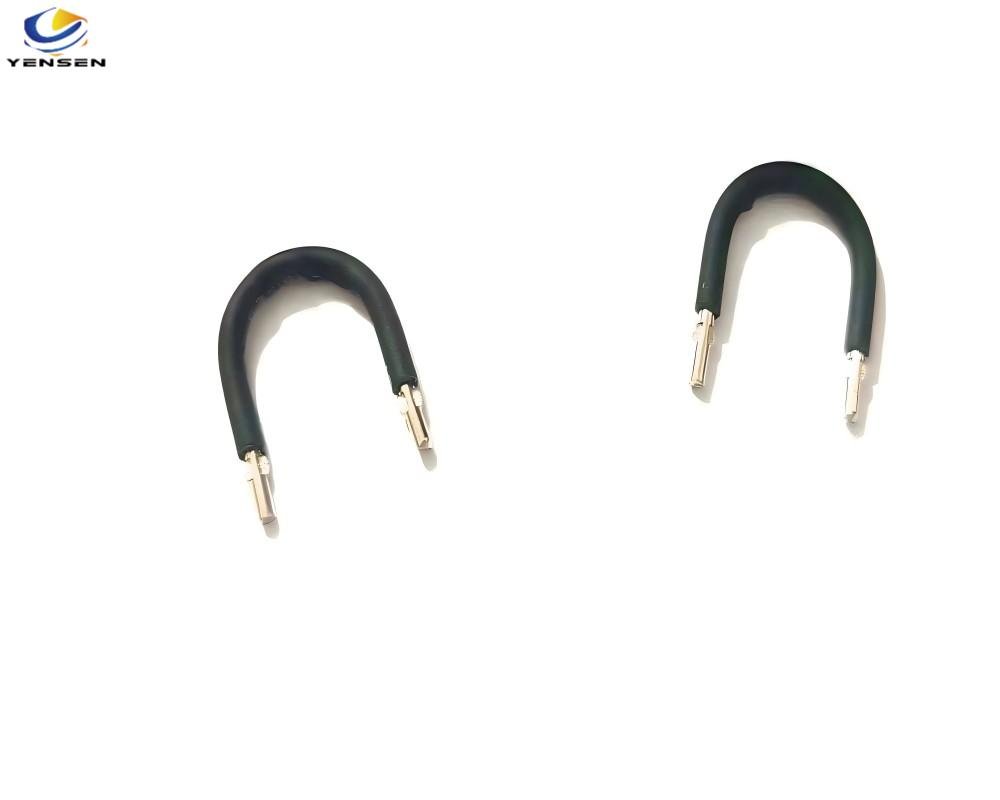
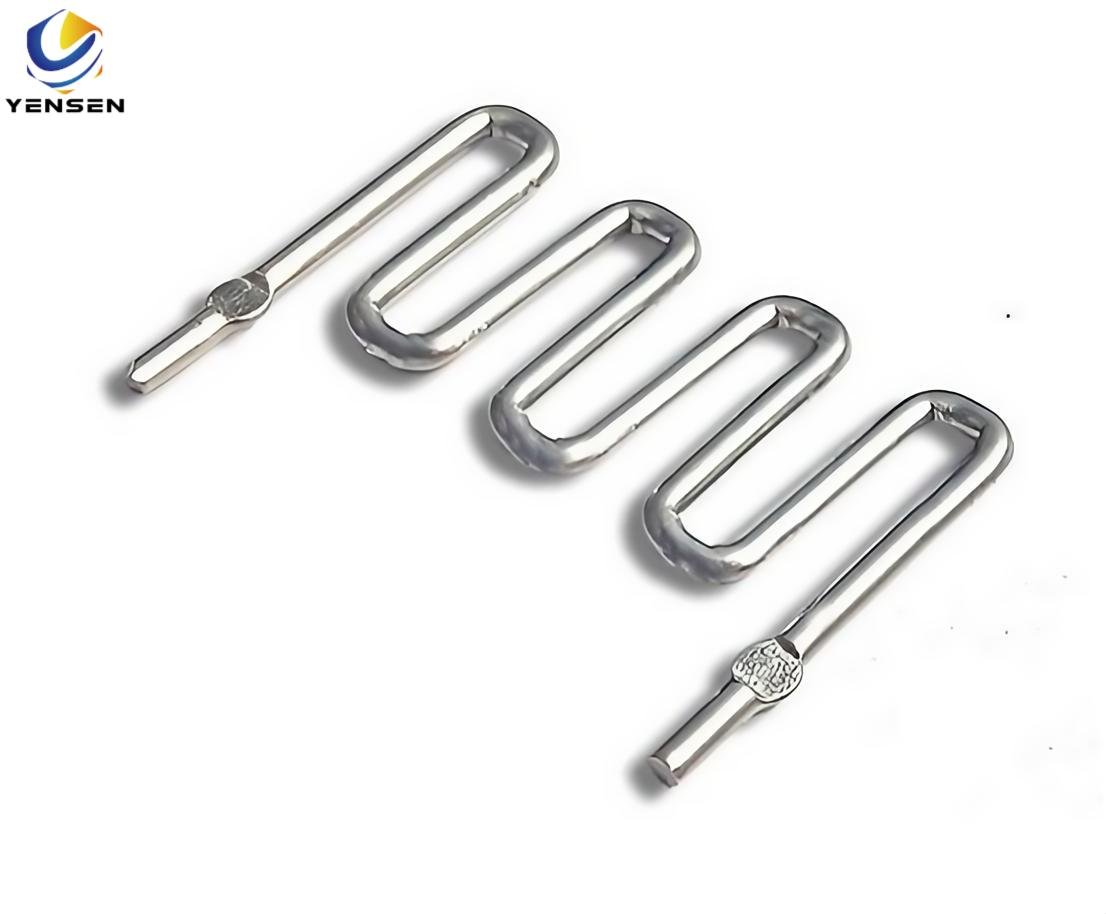
Open Air Metal Alloy Shunt Resistor | Precision Current Sensing Solution
1. Low inductance. Solder ability copper leads (60/40).
2. Radial leads, low resistance value 0.005Ω ~ 0.1Ω.
3. High stability open-air style. Precision alloys resistive element.
4. Standard tolerance ±1%, ±2%, ±5%
5.Open air design and all welded construction
Description
Open Air Metal Alloy Shunt Resistors – Current Sensing Solutions
Open air metal alloy shunt resistors are designed for high-precision current sensing applications where low resistance, low inductance, and efficient thermal management are required.
Using stable resistance alloys such as manganin and constantan, these shunt resistors provide accurate current measurement, excellent temperature stability, and reliable performance in power electronics, battery systems, motor control, and industrial equipment.
Metal Alloy Shunt Resistors are ideal solutions for open air current sensing in high-precision, space-constrained applications. These resistors are engineered to provide extremely low resistance values ranging from 0.005Ω to 0.1Ω, ensuring accurate current sampling with ultra-low inductance. Compared to conventional axial or flat chip resistors, our open air metal alloy shunt resistors are flameproof and capable of withstanding high current loads. Their elevated structure keeps heat-sensitive areas off the PCB, allowing for enhanced airflow and thermal dissipation, which extends component life and improves stability.
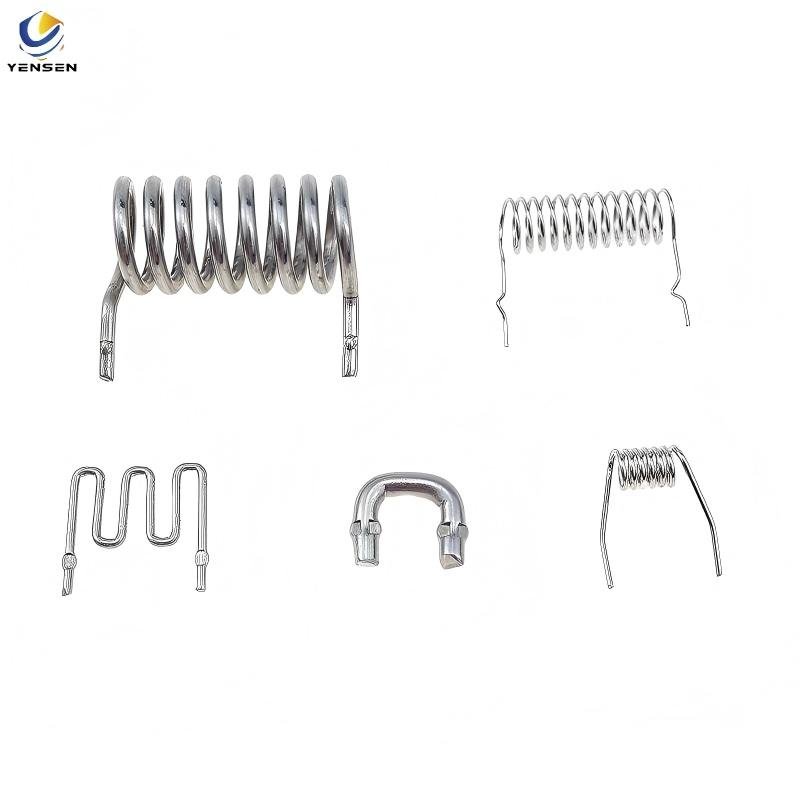
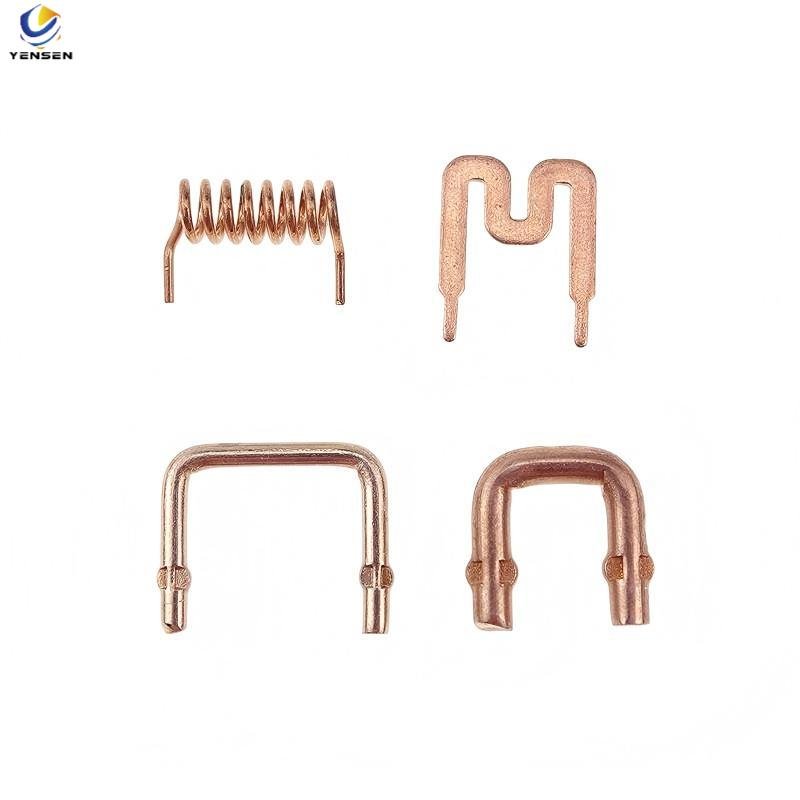
This design is especially beneficial in power electronics, motor control, battery management, and compact industrial circuits, where performance and reliability are critical. By leveraging a robust metal alloy—such as manganin or constantan—our shunts ensure thermal stability, low TCR, and consistent performance across temperature ranges. Compact, durable, and optimized for modern electronics, these resistors deliver trusted performance across demanding environments.
Product Nominal
| Category | Code / Value | Description |
|---|---|---|
| Material | K | Constantan (Manganese copper wire, Cu-Ni alloy) |
| Pin Pitch | 10 | 1.0 mm |
| Resistance | 20 | 20 mΩ |
| Shape | U | U-type |
| Other Shapes | M, M2, LX, UZ, HX | M: M-type, LX: Spiral, UZ: Folding feet, HX: Custom |
| Ordering Notes |
|
|
| Parameter Guide | A: Wire size meter, H: Height, H1: Pin length, E: Presser foot, W: Pin pitch | |
Product Shape
| Shape 1 | Shape 2 | Shape 3 |
|---|---|---|
U Type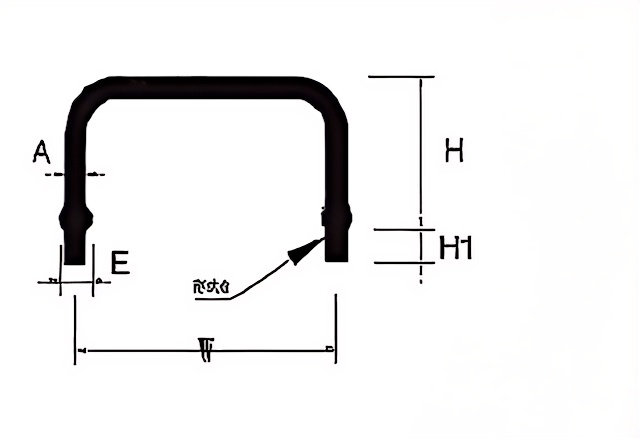 |
UZ Type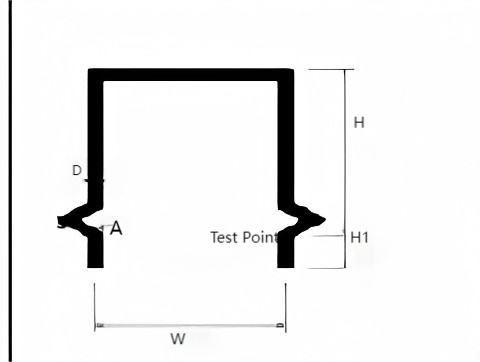 |
HX Type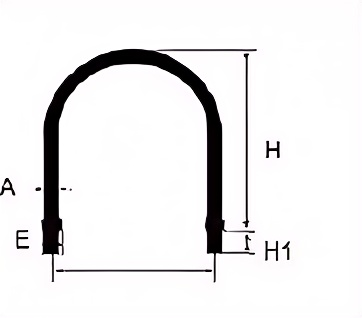 |
M Type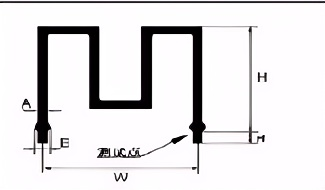 |
M2 Type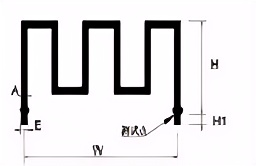 |
LX Type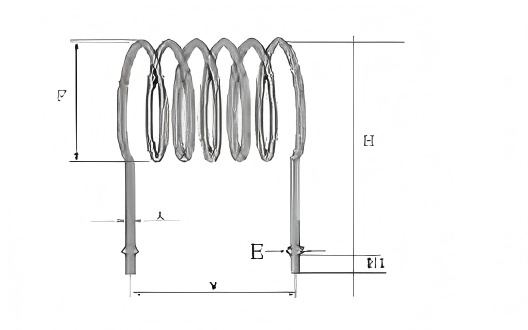 |
Test Condition
| Test Conditions | Max Resistance Change (ΔR%) |
|---|---|
| 1000 hours at 25°C (Loading Life) | ≤ 1% |
| 100 hours in Moisture | ≤ 1% |
| 1000 Thermal Cycles (-40°C to +150°C) | ≤ 1% |
Electrical Properties:
Power Curve & Surface Temperature


Advantages of Open Air Metal Alloy Shunt Resistors
Open air metal alloy shunt resistors provide excellent heat dissipation and stable electrical performance compared with enclosed designs. The open structure allows efficient thermal management, making them suitable for continuous current measurement applications
Open Air Current Sense Resistor for Accurate Measurement
Open air current sense resistors are designed to provide accurate current measurement with low resistance values and stable electrical performance. The elevated structure improves heat dissipation, making them suitable for continuous current monitoring in power electronics and industrial systems.
Applications
-
DC-DC converter modules in EVs, telecom, and industrial equipment
-
Power controllers and inverters for renewable energy systems
-
Battery management systems (BMS) for accurate current measurement
-
Motor drives, fan controllers, and HVAC power units
-
Compact UPS modules and power distribution boards
FAQ – Open Air Metal Alloy Shunt Resistors
What is an open air metal alloy shunt resistor?
An open air metal alloy shunt resistor is a current sensing component designed with an elevated or exposed structure to improve airflow and heat dissipation. It provides accurate current measurement with low resistance and stable performance in demanding electrical applications.
Why choose an open air design for a shunt resistor?
The open air structure improves thermal management by allowing better airflow around the resistance element. This helps reduce temperature rise and maintain stable resistance during continuous current operation.
What materials are used in metal alloy shunt resistors?
Metal alloy shunt resistors commonly use resistance materials such as manganin and constantan. These alloys provide low temperature coefficient of resistance (TCR), good long-term stability, and accurate current sensing performance.
Where are open air shunt resistors commonly used?
They are widely used in battery management systems (BMS), DC-DC converters, power supplies, motor drives, renewable energy systems, and industrial power electronics where accurate current measurement is required.
Can open air metal alloy shunt resistors be customized?
Yes. Resistance value, wire diameter, pin spacing, shape, height, and current rating can be customized according to PCB layout and application requirements.