Aluminum Housed Braking Resistor – Compact Thermal Design for Industrial Applications
Contact UsEmail UsDescription
Overview
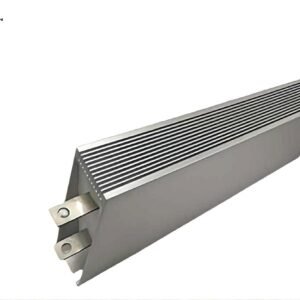
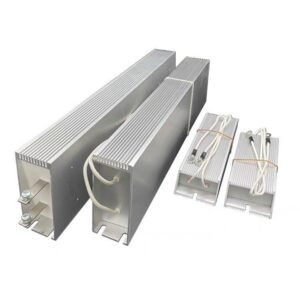
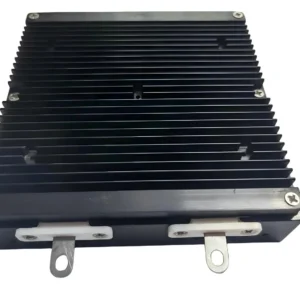
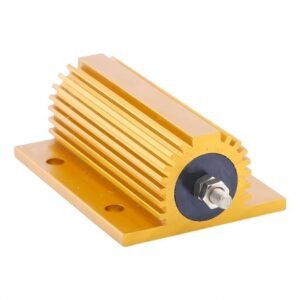
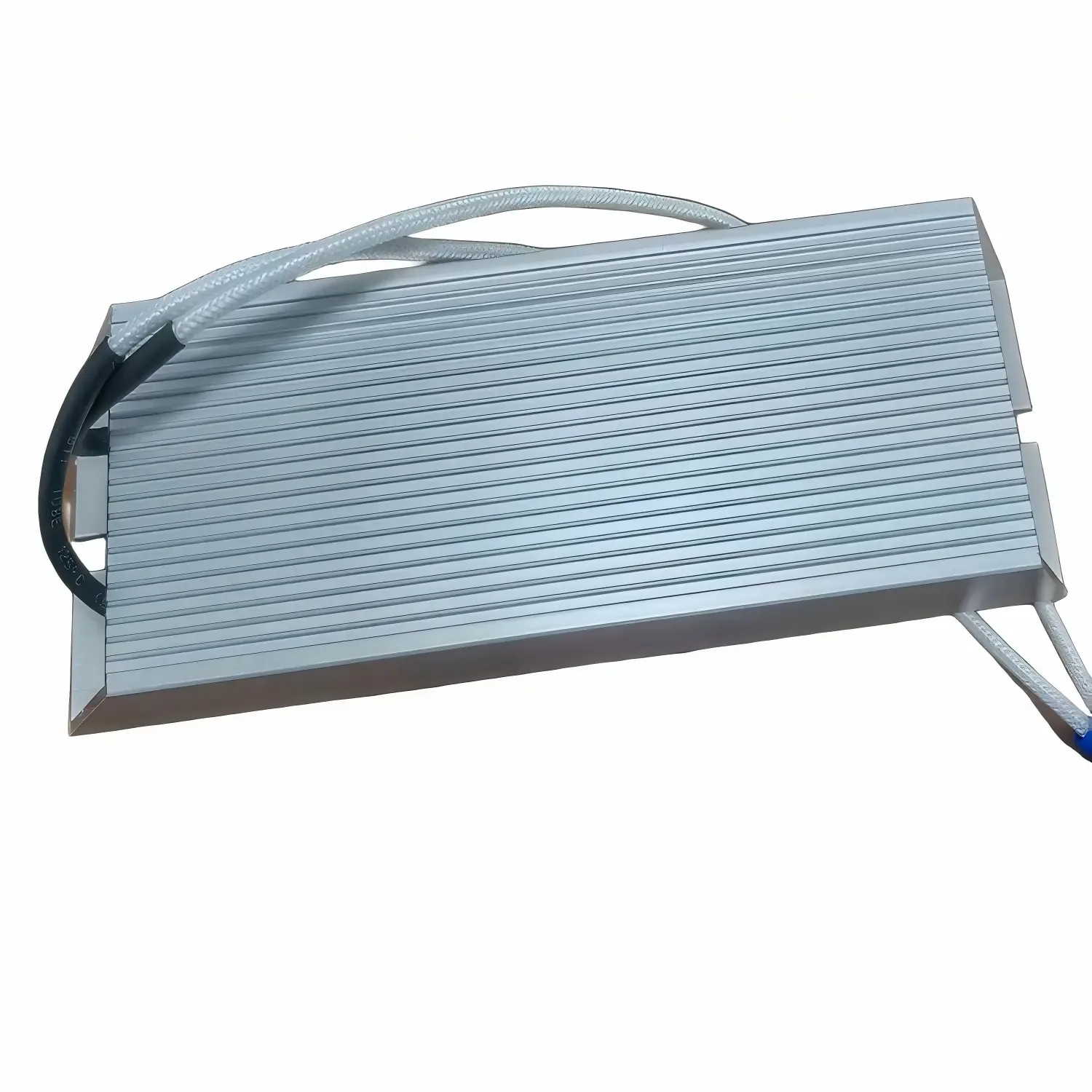
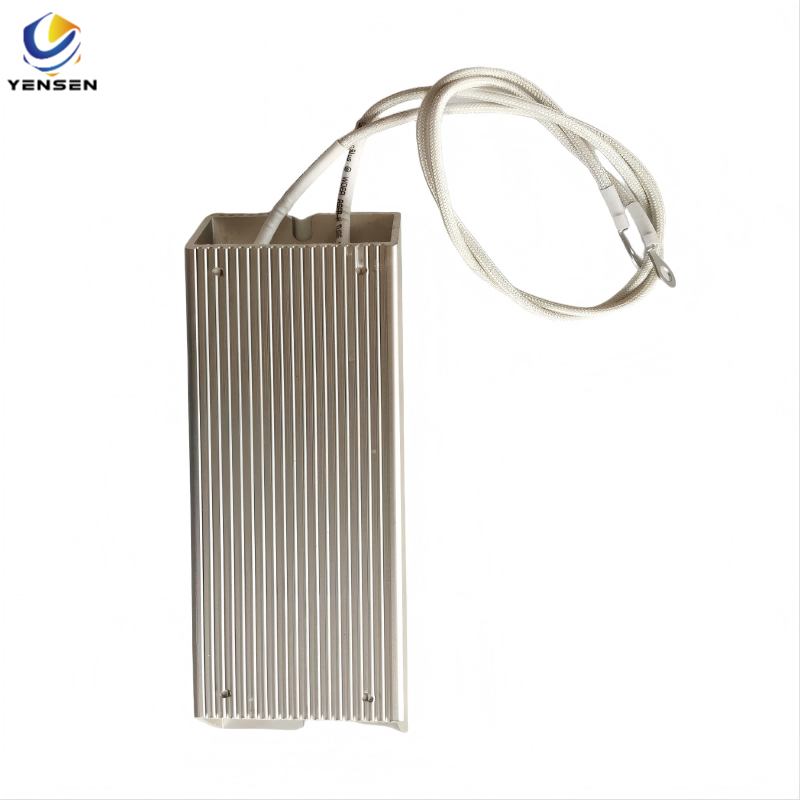
The aluminum housed braking resistor is designed for reliable energy absorption and thermal management in industrial braking applications. Its aluminum enclosure provides efficient heat dissipation, helping maintain stable resistance performance during repeated braking cycles and continuous operation.
Compared with traditional braking resistors, this aluminum case design offers a compact structure, improved cooling capability, and excellent durability for applications requiring stable energy dissipation.
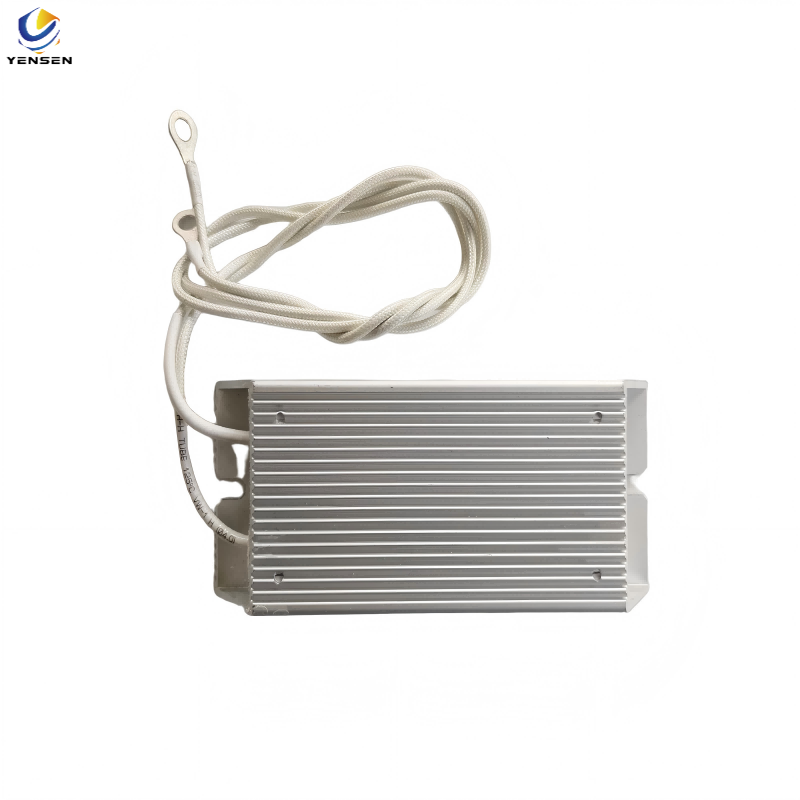
Technical Features of aluminum housed braking resistor
- • More Power from the Same Footprint
Designed with optimized materials and thermal management to achieve higher power ratings within the same installation space. - Aluminum housed for efficient cooling
- High overload and pulse capability
- Compact design with easy mounting
- Stable resistance tolerance for precise braking control
Specification of aluminum housed braking resistor
| Parameter | Value |
|---|---|
| Power Range | 100W – 6KW (customizable) |
| Resistance Range | 10Ω – 300Ω |
| Tolerance | ±5% |
| Insulation Voltage | Up to 2.5kV |
| Housing Material | Aluminum alloy |
| Operating Temp | -55°C ~ +155°C |
| Mounting | Panel mount / Bracket |
Operating Conditions
- Operating temperature: -40°C to +200°C
- Suitable for high-frequency braking cycles
- Designed for air-cooled or forced cooling systems
- Resistant to vibration and industrial environments
Why Choose Aluminum Housed Braking Resistors?
Aluminum housing improves thermal performance by providing efficient heat transfer and mechanical protection. It helps the resistor operate reliably under repeated braking loads and demanding industrial environments.
Bullets:
- Excellent heat dissipation
- Compact mounting design
- Stable performance under thermal stress
- Durable aluminum enclosure
- Suitable for industrial applications
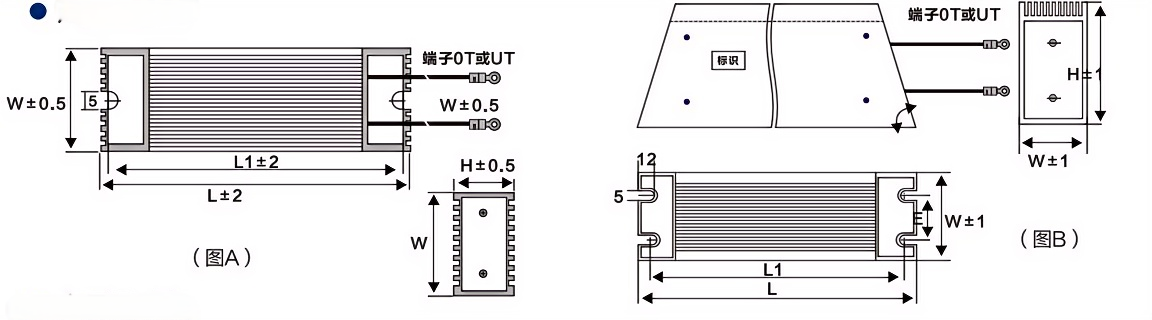
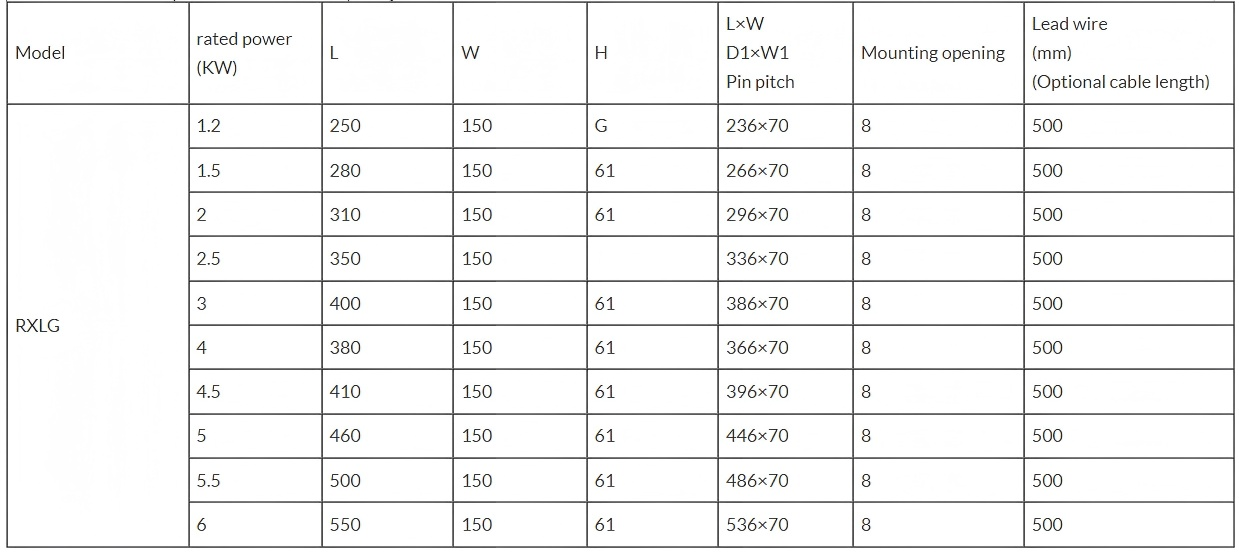
Dimension
Common Challenges in Braking Resistor Applications
- Overheating during repeated braking cycles
Regenerative energy generated during motor deceleration can create significant heat, requiring effective thermal management. - Resistance drift caused by temperature rise
Continuous pulse loads may increase component temperature and affect resistance stability. - Insufficient heat dissipation in compact installations
Limited mounting space can make it difficult to remove heat effectively. - Reduced reliability under frequent dynamic braking
Braking resistors must withstand repeated energy absorption without performance degradation.
How This Aluminum Housed Braking Resistor Solves These Challenges
- Efficient thermal management with aluminum housing
The aluminum enclosure improves heat transfer and helps maintain stable operating temperatures. - Stable performance under dynamic braking conditions
Designed to handle repeated pulse loads while maintaining reliable resistance characteristics. - Compact structure for industrial installation
The aluminum housing provides mechanical protection while saving installation space. - Long-term durability for demanding environments
Suitable for industrial automation, motor control, and power conversion systems requiring reliable braking performance.
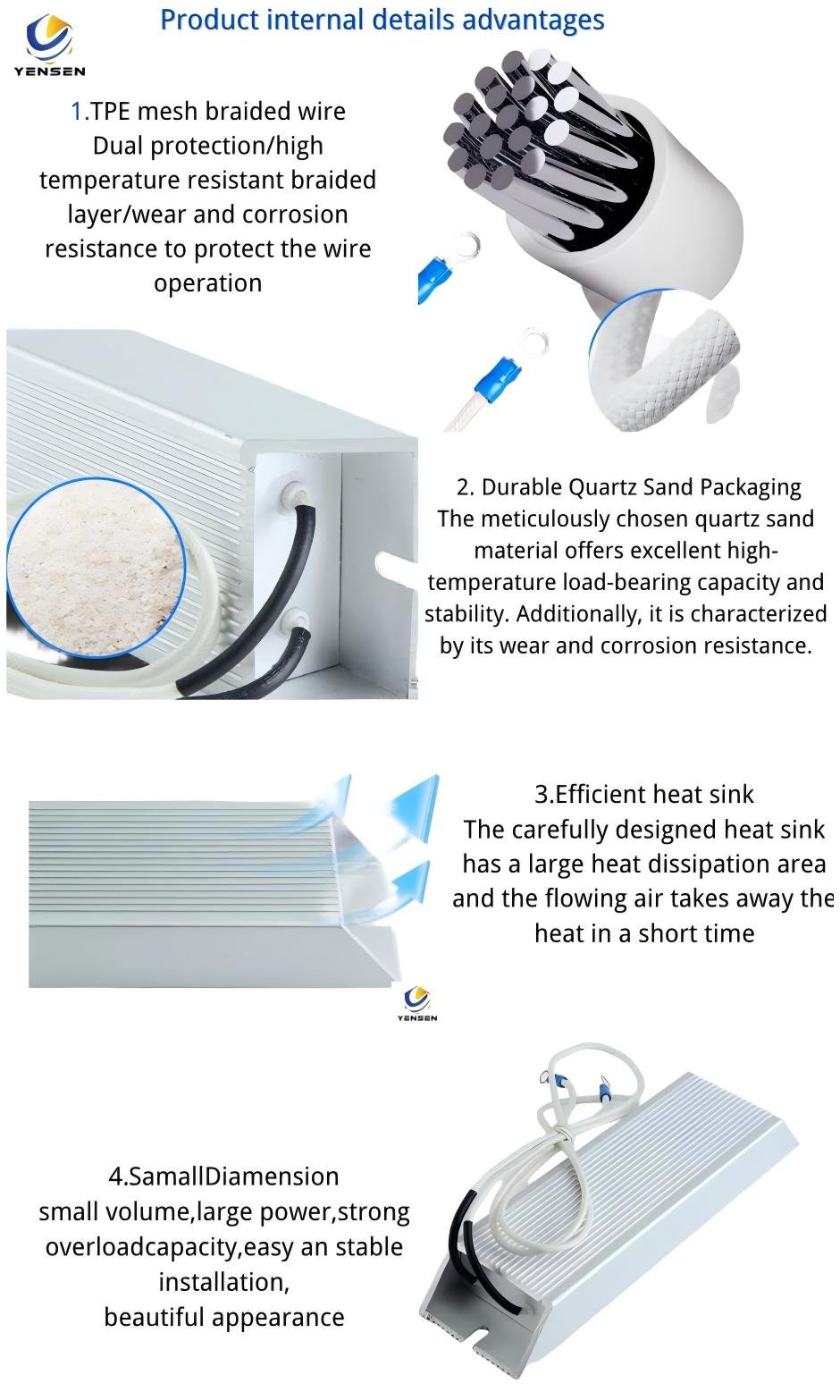
Product internal details
Typical Applications of Aluminum Housed Braking Resistors
- Industrial Motor Control Systems
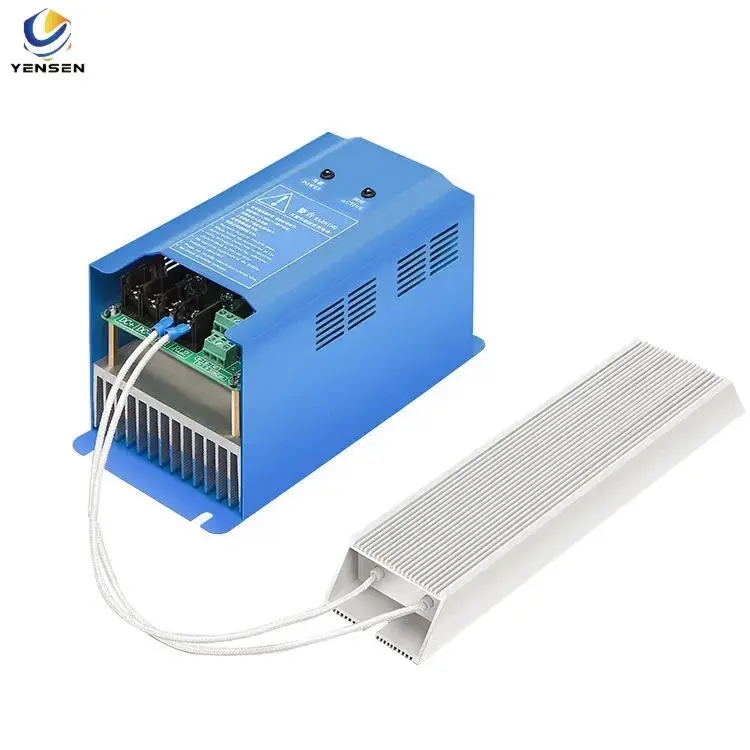
Used for absorbing regenerative energy during motor deceleration and improving braking stability. - Variable Frequency Drive (VFD) Systems
Helps prevent DC bus overvoltage caused by rapid motor stopping. - Servo and Motion Control Equipment
Suitable for applications requiring frequent acceleration and deceleration cycles. - Automation Machinery
Provides reliable energy dissipation for CNC machines, conveyors, and production equipment. - Power Conversion and Energy Control Systems
Used in inverter systems, UPS equipment, and other regenerative energy applications.
- UPS and regenerative energy absorption circuits – Check More Products Servo drive braking resistor
- Widely used by inverter manufacturers and automation system integrators
How to Select a Braking Resistor
Motor Power & Braking Energy
Match the resistor power rating with the regenerative energy generated during motor deceleration.
Duty Cycle & Braking Frequency
Frequent braking cycles require higher thermal capacity and improved heat dissipation.
Resistance Value
Select a suitable resistance value based on inverter or drive system requirements.
Cooling Method
Consider natural cooling, forced air cooling, and overall thermal management needs.
Installation Space
Choose a resistor structure and mounting method that fits the available installation environment.
Call To Action
Looking for a reliable braking resistor for your application?
- Custom resistance and wattage available
- Engineering support for your system design
- Fast sampling and stable production
- Request a Quote