Description
Overview
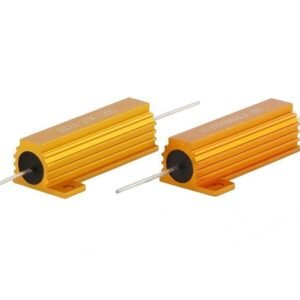
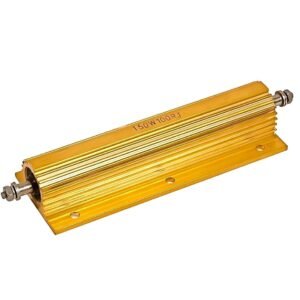
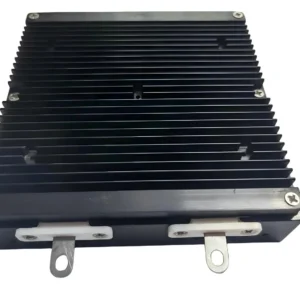
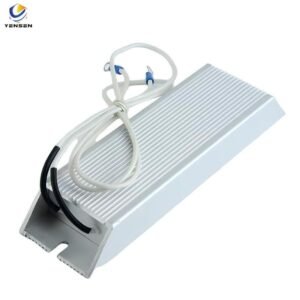
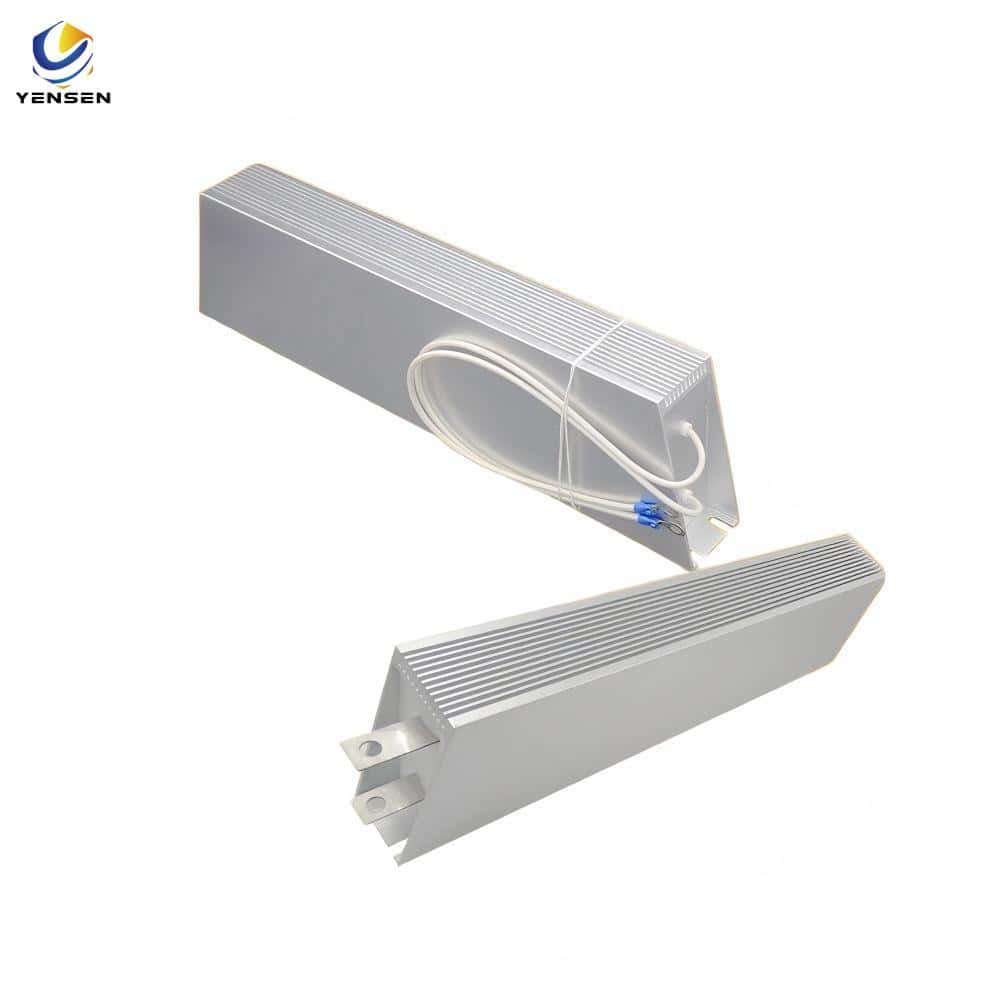
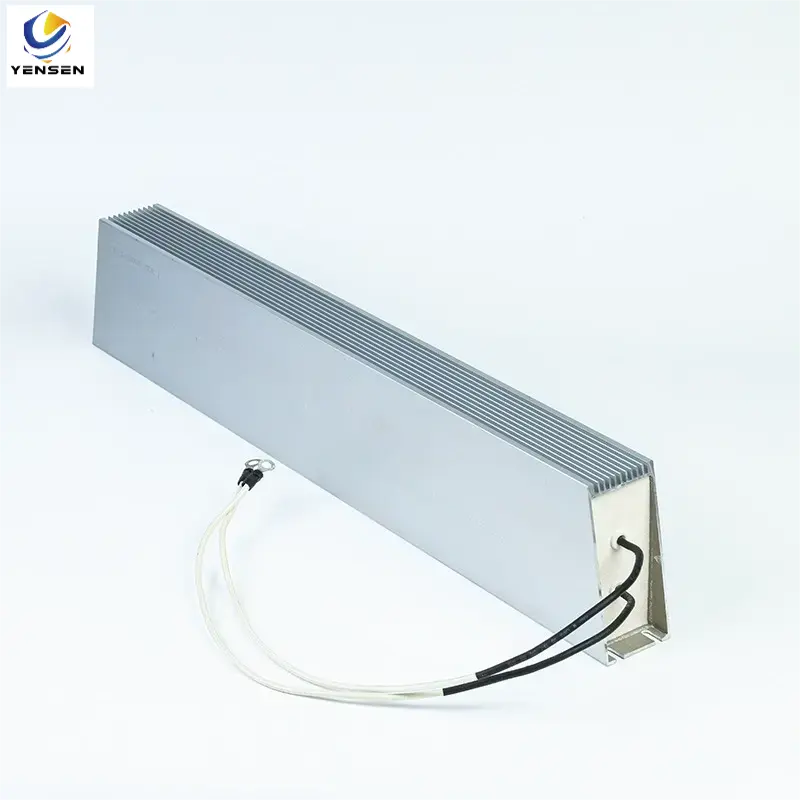
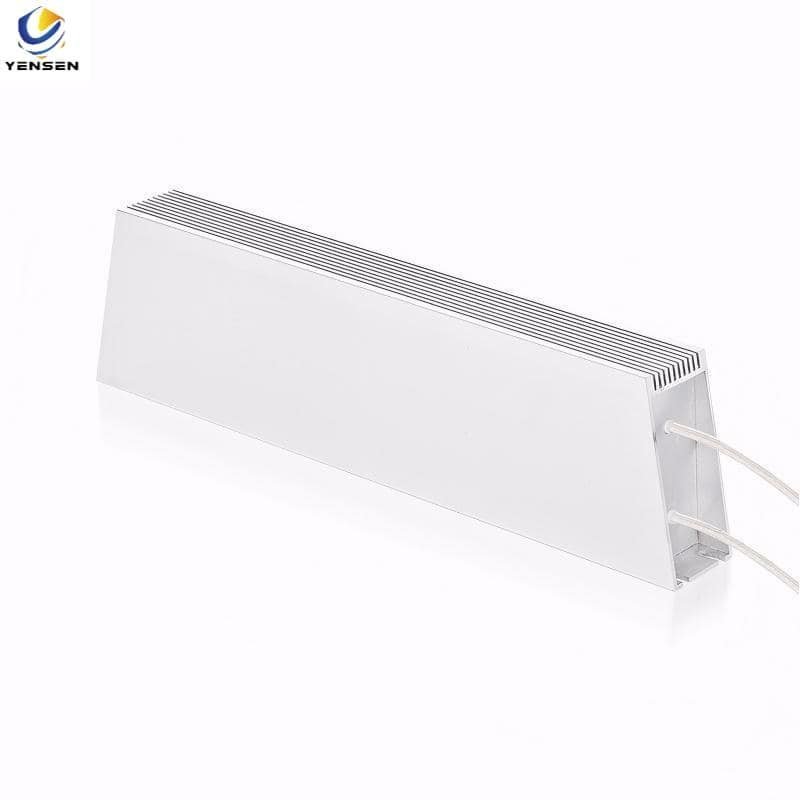
Servo motor load resistors are designed to absorb regenerative energy generated during servo motor deceleration and protect servo drive systems from overvoltage conditions.
Also known as servo motor braking resistors or servo drive braking resistors, these components are commonly used in industrial motion control systems, CNC machines, robotics, and automation equipment where reliable energy dissipation is required.
How Does a Servo Motor Load Resistor Work?
During rapid servo motor deceleration, the motor acts as a generator and feeds energy back to the servo drive DC bus.
When the DC bus voltage rises above the safe level, the regenerative resistor absorbs excess electrical energy and converts it into heat, preventing overvoltage alarms and ensuring stable servo system operation.
Key Features of Servo Motor Load Resistor
| Icon | Feature | Description |
|---|---|---|
| 🔥 | High Heat Dissipation | Aluminum alloy casing with excellent ventilation |
| ⚡ | High Voltage Tolerance | Withstands up to 2.5kV insulation for safe operation |
| 🛠 | Customizable | Power rating, resistance, and terminals available on request |
| 🌡 | Wide Temperature Range | Operates from -55°C to +155°C |
| 🧱 | Compact Design | Space-saving, easy to install in control panels |
Specification of Servo Motor Load Resistor
| Parameter | Value |
|---|---|
| Power Range | 50W – 6KW (customizable) |
| Resistance Range | 10Ω – 300Ω |
| Tolerance | ±5% |
| Insulation Voltage | Up to 2.5kV |
| Housing Material | Aluminum alloy |
| Operating Temp | -55°C ~ +155°C |
| Mounting | Panel mount / Bracket |
Servo Motor Load Resistor for Regenerative Energy Absorption
During servo motor deceleration, regenerative energy can increase the DC bus voltage of the drive system. A servo motor load resistor absorbs this excess energy and converts it into heat, helping protect servo drives from overvoltage faults.
Servo Motor Load Resistor vs Braking Resistor
A servo motor load resistor is a specific type of braking resistor used in servo systems to handle regenerative energy.While VFD braking resistors are commonly used in variable frequency drives, servo motor braking resistors are optimized for fast acceleration and deceleration cycles in precision motion applications.
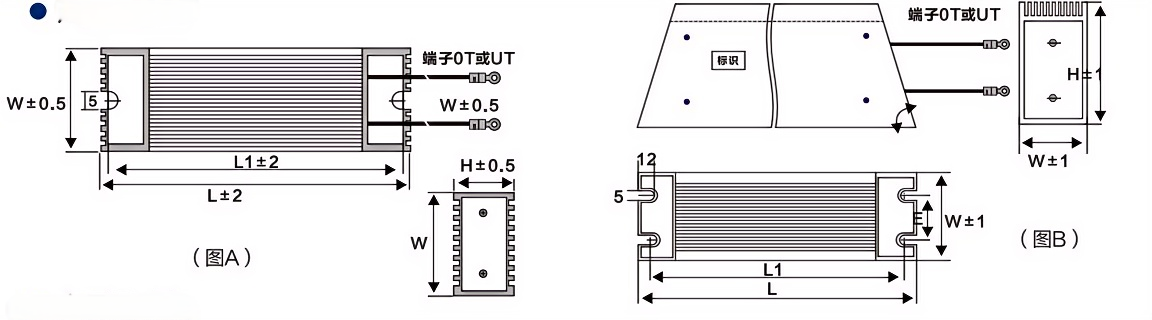
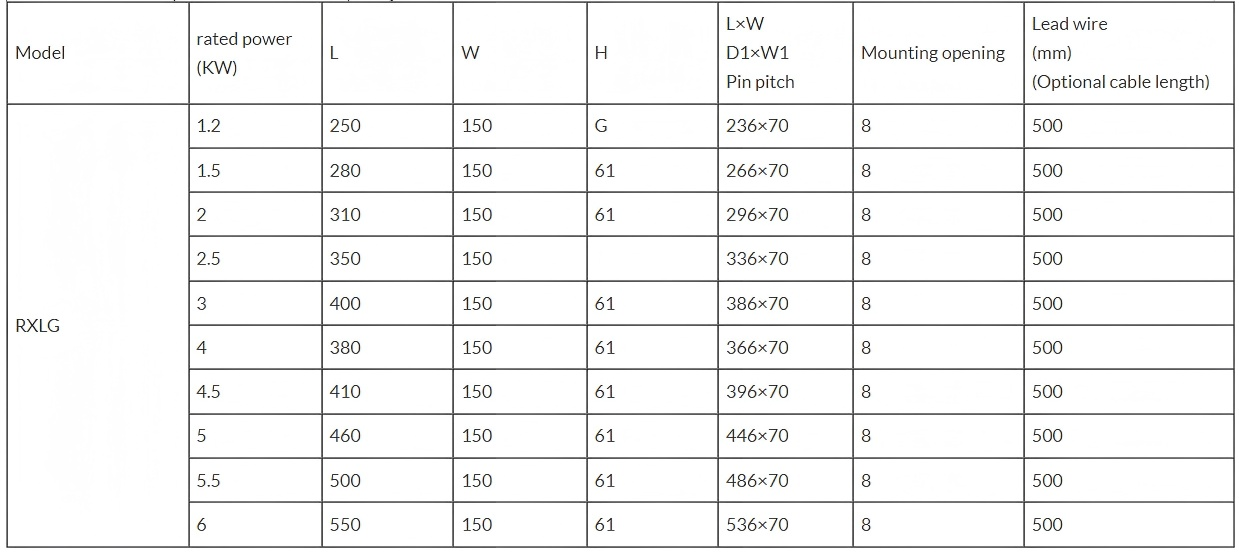
Dimension
VFD Power vs. Braking Resistor Power Selection Table (General Reference)
| VFD Power (kW) | Recommended Resistor Power (W) | Recommended Resistance (Ω) | Notes |
|---|---|---|---|
| 0.75 kW | 100–200 W | 100–150 Ω | Light-duty, fans |
| 1.5 kW | 200–400 W | 75–100 Ω | – |
| 2.2 kW | 300–600 W | 60–80 Ω | Standard braking |
| 3.7 kW | 600–800 W | 40–60 Ω | – |
| 5.5 kW | 800–1000 W | 30–50 Ω | Common industrial use |
| 7.5 kW | 1.0–1.5 kW | 20–40 Ω | – |
| 11 kW | 1.5–2.0 kW | 15–25 Ω | – |
| 15 kW | 2.0–3.0 kW | 10–20 Ω | – |
| 18.5 kW | 3.0–4.0 kW | 8–15 Ω | Heavy-duty applications |
| 22–30 kW | 4.0–6.0 kW | 6–10 Ω | Large equipment |
| 37–45 kW | 6.0–8.0 kW | 4–8 Ω | Cranes, hoists |
| ≥55 kW | ≥10 kW | 2–5 Ω | May use multiple resistors in parallel |
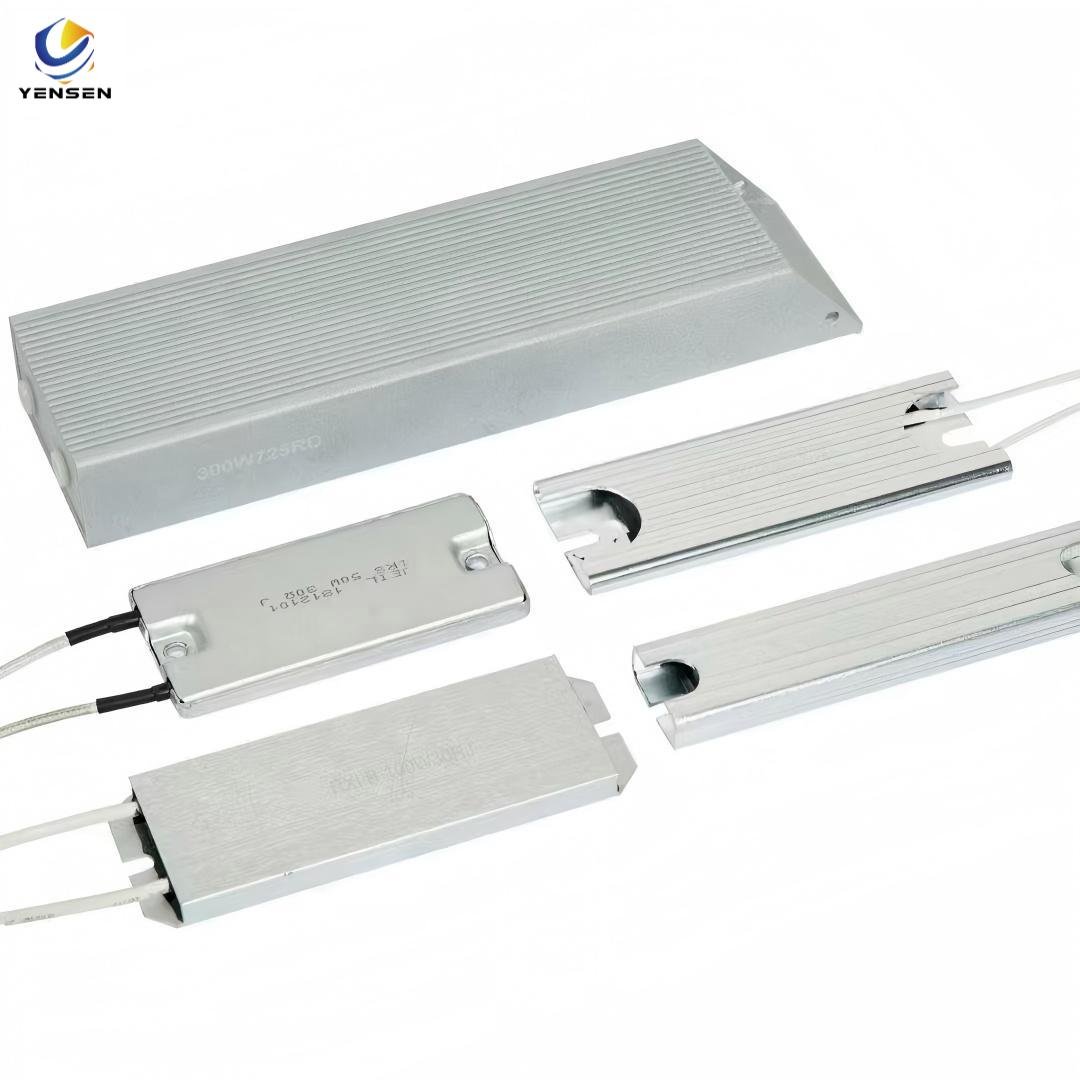
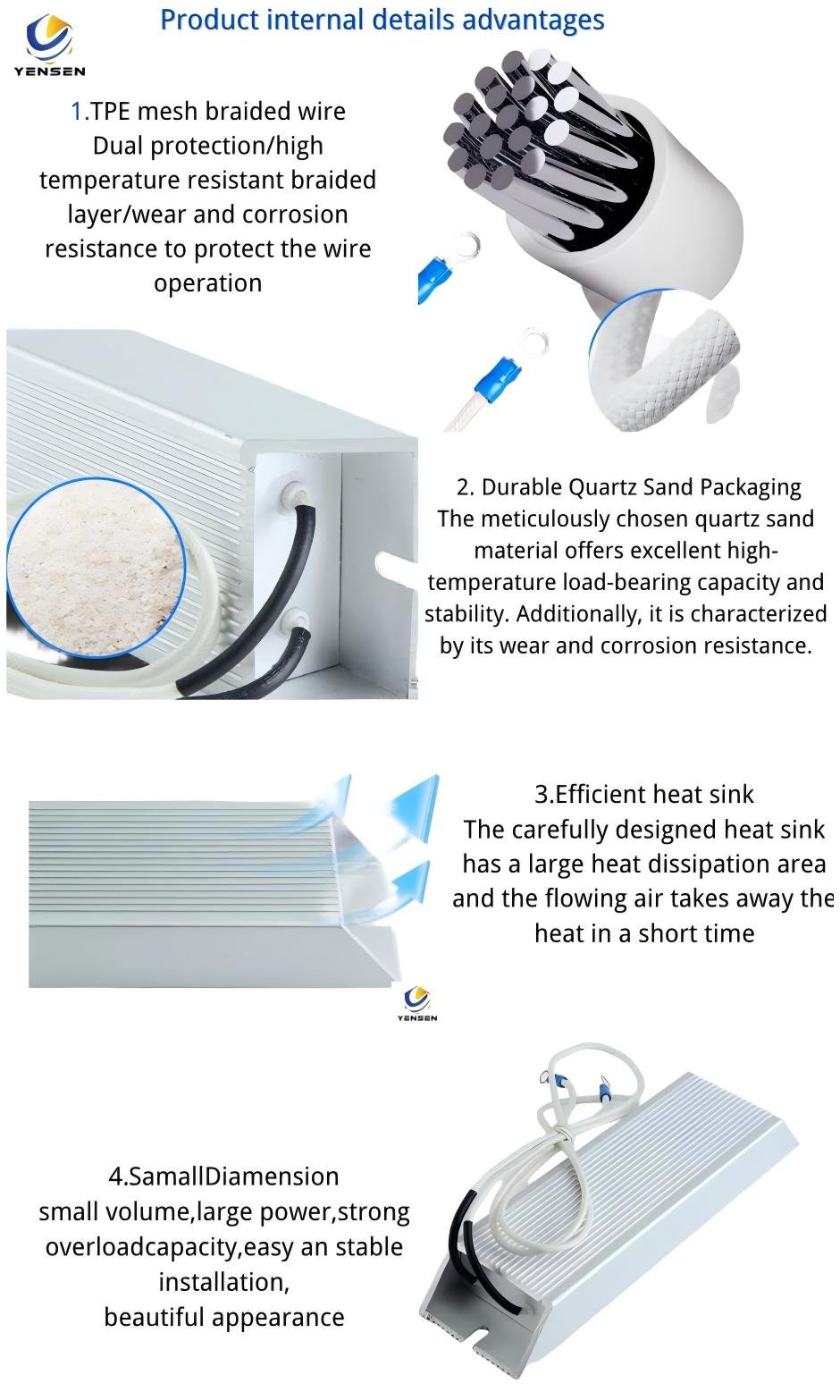
Product Internal more details
Applications of Servo Motor Load Resistors
-
- CNC machines
- Industrial robots
- Servo drives
- Automation equipment
- Motion control systems
- Packaging machinery
- Elevators and positioning systems
- Electronics Tutorials on Resistors
- Looking for smaller power models? Check out our Metal clad Chassis Mount Dynamic Braking Resistor
FAQ
What is a servo motor load resistor?
A servo motor load resistor absorbs regenerative energy generated during motor deceleration and helps prevent overvoltage problems in servo drive systems.
Why does a servo drive need a braking resistor?
During rapid deceleration, servo motors can return energy back to the drive. A braking resistor dissipates this energy as heat to maintain stable operation.
What is the difference between a servo motor load resistor and a braking resistor?
A servo motor load resistor is commonly used as part of the regenerative braking circuit in servo systems. A braking resistor is a broader term used for VFDs, servo drives, and other motor control systems.
Can servo motor resistors be customized?
Yes. Resistance value, power rating, mounting style, and dimensions can be customized according to servo drive requirements.